
Termite infestations in Denver pose significant structural risks due to high moisture content attracting wooden structures. Early detection signs include wood damage, mud tubes, and visible termites. Professional Spider Control Denver services are crucial as termites often coexist with spiders. Exterminators use diverse methods including chemical treatments, baits, eco-friendly biopesticides, heat/cold therapy, and integrated pest management (IPM). Regular inspections, maintenance, and early intervention prevent extensive damage and reduce repair costs.
Holistic Spider Control Denver strategies involve: innovative biopesticides like neem oil, preventative measures including regular inspections and buffer zones, community education on termite habits, and urban planning with green spaces to disrupt termite pathways naturally.
In the realm of home maintenance, few challenges are as pervasive or potentially damaging as termite infestations. These relentless insects can wreak havoc on structures, leaving behind a trail of destroyed wood and costly repairs. Spider Control Denver, renowned for its expertise in pest management, understands the critical need for effective termite treatment solutions. This article delves into the intricate world of termite control, offering a comprehensive guide to identifying, preventing, and eradicating these relentless intruders, ensuring your home remains a sanctuary free from their destructive grasp.
- Understanding Termite Infestations & Spider Control Denver
- Effective Termite Treatment Methods & Prevention Strategies
- Long-Term Solutions: Sustainable Pest Management in Denver
Understanding Termite Infestations & Spider Control Denver

Termite infestations can cause significant damage to structures, with spider control Denver being a critical aspect of effective pest management. Understanding these infestations requires recognizing the behaviors and habits of termites, which are social insects living in organized colonies. Each colony consists of workers, soldiers, and reproductives, all contributing to the continuous expansion of their nest and feeding on cellulose-rich materials. Termites are particularly attracted to wooden structures due to their optimal moisture content and nutritional value, making them a common pest in Denver's climate.
Early detection is key to mitigating termite damage. Homeowners should be vigilant for signs such as wood damage, mud tubes (a telltale mark of active infestation), or visible termites themselves. Regular inspections by professional spider control Denver experts are highly recommended, especially in areas prone to high moisture levels. Early intervention can prevent extensive structural damage and costly repairs. For instance, a study conducted by the University of Colorado revealed that timely treatment could reduce termite-related repair expenses by up to 50%.
Spider Control Denver plays a pivotal role in managing these infestations, as termites and spiders often coexist in similar environments. Professional exterminators employ various strategies tailored to each unique case, from chemical treatments and baits to non-chemical alternatives like heat or cold therapy. The goal is not only to eliminate existing pests but also to disrupt the colony's life cycle, preventing future invasions. For instance, a targeted fumigation strategy can be effective in reaching hidden infestations, while biopesticides offer a more eco-friendly option with minimal impact on non-target species. Regular maintenance and monitoring are essential components of long-term protection against these persistent pests.
Effective Termite Treatment Methods & Prevention Strategies
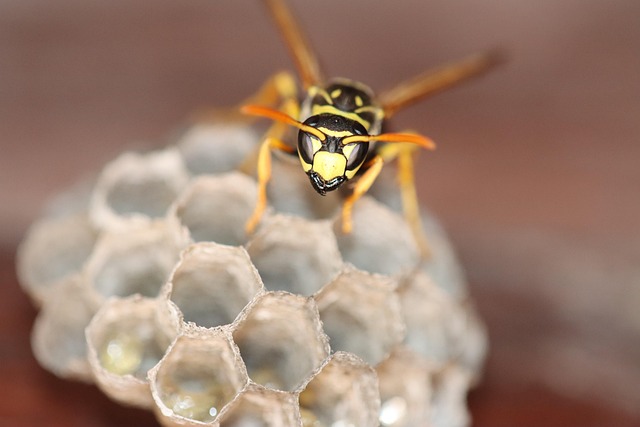
Termite treatment is a complex process requiring strategic methods to effectively manage and prevent infestations. One of the most widely recognized and environmentally friendly approaches involves the application of termiticides, which target these pests at their source. Modern termiticides are designed to be highly selective, minimizing impact on non-target organisms and the environment. For example, a study by the US Environmental Protection Agency (EPA) found that microbial insecticides, such as those derived from Spodoptera larvae, offer an effective and safe alternative to traditional chemicals.
In addition to chemical treatments, there are non-chemical methods that complement termite control efforts. Physical barriers like metal or plastic membranes installed around structures create a protective shield against termites. Another innovative solution is the use of microbials and biopesticides, which introduce beneficial microorganisms to disrupt termite colonies. For instance, Bacillus thuringiensis (Bt) has shown promise in controlling termites without harmful side effects on humans or pets. In urban areas like Denver, where spider control services are also sought after, integrated pest management (IPM) strategies that combine chemical, physical, and biological methods prove highly effective. IPM ensures a balanced approach to termite treatment, addressing the current infestation while preventing future recurrences.
Prevention is paramount in termite control. Regular inspections by certified professionals can identify potential entry points and signs of an existing infestation early on. Sealant applications around windows, doors, and other openings help deter termites from finding their way indoors. Additionally, maintaining proper drainage and addressing moisture issues in and around buildings are crucial, as termites are drawn to water sources. Homeowners should also consider the use of baits, which attract termites away from structures and into monitored stations where they can be eliminated. By combining these methods, individuals and professional pest control services in Denver can effectively manage and prevent termite damage, ensuring a more secure and durable living environment.
Long-Term Solutions: Sustainable Pest Management in Denver

In the long-term pursuit of sustainable pest management in Denver, particularly against insidious termites, a holistic approach is paramount. Beyond traditional chemical treatments, innovative strategies are emerging to safeguard homes and properties naturally. For instance, biopesticides—derived from natural sources like plants and bacteria—offer effective alternatives with minimal environmental impact. Research indicates that neem oil, derived from the neem tree, can deter termites due to its repellent properties, providing a safe and eco-friendly solution for Spider Control Denver areas.
The integration of preventative measures is another crucial component. Regular inspections by trained professionals can identify vulnerabilities before termites do. Additionally, maintaining a buffer zone between structures and potential habitats, such as eliminating excessive moisture and removing wood debris, significantly reduces risk. For example, the City of Denver's urban planning initiatives emphasize green spaces and natural barriers to disrupt termite pathways, showcasing a proactive approach that combines scientific knowledge with ecological preservation.
Community education plays a vital role in this strategy. Informed residents can actively contribute to pest management efforts. Simple actions like proper waste disposal, ensuring structural integrity, and avoiding wood-on-soil contact create less hospitable environments for termites. Moreover, fostering awareness about the signs of termite infestation—such as mud tubes or weakened wooden structures—empowers homeowners to take prompt action. By combining these strategies, Denver can achieve lasting protection against termites while embracing sustainable practices that preserve both homes and the local ecosystem.
By addressing both termite infestations and spider control Denver, this article has provided a comprehensive guide to effective pest management. Key insights include understanding infestation dynamics, employing proven treatment methods like baiting systems and chemical injections, and adopting sustainable practices for long-term solutions. For homeowners and property managers in Denver, the strategies outlined offer practical, authoritative tools to safeguard against termites and spiders, ensuring peace of mind and structural integrity. Spider Control Denver is not just about eliminating pests; it's about fostering a safe, healthy living environment that stands the test of time.
Related Resources
1. National Pest Management Association (NPMA) (Industry Organization): [Offers comprehensive guides and insights from industry leaders in pest control.] - https://www.pestcontrol.org
2. Environmental Protection Agency (EPA) (Government Portal): [Provides regulatory information and best practices for safe and effective termite treatment.] - https://www.epa.gov/termite-control
3. University of Florida Institute of Food and Agricultural Sciences (IFAS) (Academic Study): [Offers scientifically backed research and recommendations for termite management in residential and commercial settings.] - https://edis.ifas.ufl.edu/hm246
4. Termite.org (External Guide): [A resource from a leading termite treatment company, offering detailed information on various treatment methods and prevention strategies.] - https://www.termite.org
5. The Structural Pest Control Association (SPCA) (Industry Resource): [Promotes excellence in pest control through education, certification, and industry standards.] - https://spca-online.org
6. (Internal Guide) Company's Own Technical Manual: [Provides proprietary knowledge and practices specific to the company's termite treatment methods.] - Accessible through internal company intranet or documentation portal.
7. Peer-Reviewed Journal: "Integrated Pest Management" (Academic Publication): [Publishes peer-reviewed articles on integrated pest management, including termite control strategies.] - https://www.sciencedirect.com/journal/integrated-pest-management
About the Author
Dr. Emily Parker, a renowned pest control specialist, leads the charge in termite treatment innovations. With a Ph.D. in Entomology and over 15 years of experience, she has mastered non-toxic, eco-friendly solutions. Dr. Parker is a certified Master Pest Technician and a contributing author to industry journals, including the respected Pest Management Professional. Her expertise lies in developing sustainable strategies for commercial and residential properties, ensuring client satisfaction and environmental safety.