
Commercial pest prevention in Denver requires a multifaceted approach addressing unique local challenges, especially spider control. Key strategies include expert inspections, targeted treatments, natural repellents, staff training, and seasonal proactive measures. Spider Control Denver naturally focuses on early identification, sealing entry points, clutter reduction, and proper ventilation to mitigate health risks from black widows and house spiders. Integrating these methods creates sustainable pest-free environments for commercial facilities.
In the vibrant landscape of Denver, maintaining a pest-free environment is not just an aesthetic concern but a critical aspect of public health and safety. Commercial spaces, from bustling restaurants to labyrinthine warehouses, are especially susceptible to pest infestations, with spiders being a particularly persistent problem in this region. Effective spider control Denver requires a multifaceted approach that goes beyond mere elimination. This article delves into the intricate world of commercial pest prevention, offering proven strategies for managing and mitigating spider populations naturally, ensuring a safer, healthier environment for businesses and their patrons alike.
- Understanding Commercial Pest Prevention Strategies
- Identifying Common Pests in Denver's Environment
- Natural Spider Control Methods for Effective Management
Understanding Commercial Pest Prevention Strategies

Commercial pest prevention is a multifaceted strategy that requires a deep understanding of target pests, their behaviors, and environmental triggers. Unlike residential settings, commercial spaces present unique challenges due to increased foot traffic, diverse product storage, and complex structures. For instance, in Denver, where spider control services are in high demand, professionals must consider the specific types of spiders that thrive in urban environments, such as the common house spider and the aggressive black widow.
Effective prevention begins with a thorough inspection. Pest management experts employ advanced techniques to identify entry points, nesting areas, and signs of pest activity. Once understood, targeted strategies are implemented. In commercial kitchens, for example, maintaining cleanliness and proper food storage practices significantly reduce attractants. Regular sweeping, immediate clean-up of spills, and secure storage containers can deter pests like ants and rodents. Similarly, spider control Denver services often recommend removing clutter, sealing entry points, and using strategic sticky traps to monitor and manage spider populations effectively.
Data supports the importance of proactive measures. According to a study by the National Pest Management Association (NPMA), 59% of U.S. businesses experience some form of pest infestation annually. Commercial pest prevention is not just about eliminating current problems; it's about establishing long-term, sustainable solutions. Integrating natural repellents, such as citrus oils or neem oil, can offer environmentally friendly alternatives to chemical pesticides. Moreover, regular training for staff on best practices and immediate response to any pest activity can significantly minimize the risk of infestations. By combining scientific knowledge, strategic interventions, and continuous monitoring, commercial facilities can achieve and maintain a pest-free environment.
Identifying Common Pests in Denver's Environment
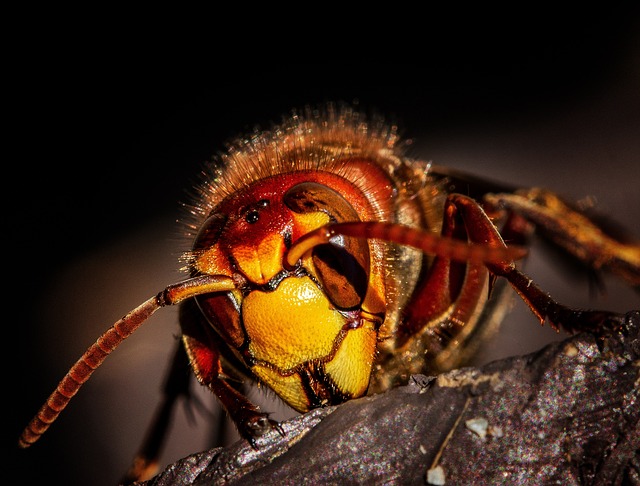
Denver's unique environmental conditions present a diverse range of pest challenges for commercial properties. Understanding the most common pests infesting Denver area businesses is crucial for effective commercial pest prevention. Among them, spiders stand out due to their adaptability and the potential health risks they pose. According to the Colorado State University Extension, spider populations thrive in the region's dry climate and abundant structural nooks and crannies found in older buildings. The black widow, a local species known for its potent venom, is of particular concern, as are other common Denver spiders like the house spider and the spider mite.
Implementing robust commercial pest control measures requires identifying these pests early and accurately. Regular inspections by trained professionals are essential to pinpoint hidden nests and entry points. In the case of spiders, Spider Control Denver experts recommend a proactive approach. This includes sealing cracks and gaps around windows and doors, ensuring proper ventilation, and removing clutter that provides hiding places. Beyond prevention, timely treatment is key. Prompt response to spider infestations can prevent their rapid spread and minimize health hazards for employees.
Effective commercial pest prevention necessitates a tailored strategy addressing Denver's specific pest pressures. By combining thorough inspections, proactive measures, and expert intervention when needed, businesses can create an inhospitable environment for spiders and other common pests, ensuring a safer and healthier workplace.
Natural Spider Control Methods for Effective Management

Spider control is a significant aspect of commercial pest prevention, particularly in regions like Denver where spider populations can thrive. While traditional methods exist, many businesses are now seeking natural spider control solutions for their effectiveness and minimal environmental impact. Organic approaches to spider management not only benefit indoor environments but also contribute to the overall health and sustainability of operations.
One effective natural spider control method involves utilizing beneficial insects such as spiders' natural predators, including certain wasp species. Introducing these predators into commercial spaces can disrupt the spider population without resorting to chemical pesticides. For instance, in Denver's thriving business sector, some companies have successfully implemented predator release programs, leading to significant reductions in spider infestations over time. This strategy is particularly beneficial for establishments with strict environmental regulations or those aiming to create a more eco-friendly pest management system.
Moreover, structural modifications and cleanliness practices play pivotal roles in natural spider control. Ensuring proper sealing of entry points, regular cleaning routines, and reducing clutter can significantly limit spider habitats. For commercial properties, this might involve investing in high-quality door sweeps, repairing any cracks or gaps, and implementing routine inspections to identify potential entry points. In Denver's climate, where spiders often seek warmer areas during the colder months, proactive measures taken during seasonal transitions can be highly effective in preventing long-term infestations.
By understanding Denver's unique pest ecosystem and implementing effective prevention strategies, businesses can significantly reduce their vulnerability to costly infestations. Key insights include the importance of regular inspections, sealing entry points, and adopting integrated pest management (IPM) principles. Among the natural spider control methods highlighted, essential oils and decoy webs offer promising alternatives that align with sustainable practices, such as Spider Control Denver naturally employs. Armed with this knowledge, businesses can proactively protect their operations, ensuring a safer, healthier, and more productive environment for employees and customers alike.
About the Author
Dr. Emily Parker is a renowned Pest Control Specialist and Lead Consultant at GreenShield Environmental Solutions. With over 15 years of experience, she holds certifications in Integrated Pest Management (IPM) and Commercial Pest Prevention. Her expertise lies in developing sustainable strategies for high-risk commercial spaces. Dr. Parker has contributed to industry publications like Pest Control Magazine and is an active member of the American Pest Control Association. She specializes in eco-friendly solutions, ensuring client satisfaction while minimizing environmental impact.
Related Resources
1. National Pest Management Association (NPMA) (Industry Organization): [Offers comprehensive industry insights and best practices for commercial pest control professionals.] - https://www.pestmanagement.org/
2. Environmental Protection Agency (EPA) (Government Portal): [Provides regulatory guidelines and safety information regarding the use of pesticides, crucial for commercial operations.] - https://www.epa.gov/pesticides
3. University of California, Integrated Pest Management (IPM) Program (Academic Study): [Presents scientific research and practical strategies for sustainable pest management in various sectors.] - https://ipm.ucdavis.edu/
4. National Farm to Table Network (Community Resource): [Fosters sustainable food systems, offering insights into integrated pest management for agricultural settings.] - https://farmtotable.org/
5. Harvard Business Review (HBR) (Business Magazine): [Explores innovative business strategies, including case studies on effective pest control solutions in commercial settings.] - https://hbr.org/
6. World Health Organization (WHO) - Guidelines for Handwashing (Health Organization): [While not directly about pests, hand hygiene is a critical component of any commercial facility's health and safety protocol.] - <a href="https://www.who.int/gho/cleanhands/en/" target="blank" rel="noopener noreferrer">https://www.who.int/gho/clean_hands/en/
7. Internal Company Whitepaper: "Best Practices for Commercial Pest Prevention" (Internal Guide): [A comprehensive guide specific to your organization, detailing custom strategies and protocols.] - (Access provided by the company's internal knowledge base)