
Spider Control Denver naturally requires a multi-layered approach focusing on soil treatments (pyrethrins, neem oil, diatomaceous earth) and barrier strategies. Combining organic compounds like peppermint and lemon oils with physical barriers like mesh is effective for prevention. Regular cleaning, sealing entry points, and IPM methods ensure long-term protection without harmful residues, aligning with modern consumer preferences.
Pest control is a vital aspect of maintaining healthy outdoor spaces, especially in urban environments like Denver. Among the myriad of pests, spiders can pose a significant concern for homeowners and businesses alike, capable of causing fear and discomfort. Effective spider control is not just about eliminating these arachnids; it's about preventing their return and ensuring a safe, comfortable living or working environment. This article delves into the most effective soil and barrier treatments for spider control in Denver, providing practical insights to address this common pest management challenge.
- Understanding Soil Treatments for Effective Spider Control Denver
- Choosing the Right Barrier Techniques to Prevent Infestations
- Natural Solutions: Eco-Friendly Pest Control Soil Barriers
Understanding Soil Treatments for Effective Spider Control Denver

Spider Control Denver requires a strategic approach, and one of the most effective methods is through soil and barrier treatments. Understanding the intricate relationship between spiders and their terrestrial environment is key to successful management. The soil serves as both a habitat and a food source for these arachnids, making it a critical factor in Spider Control Denver efforts.
Soil treatments involve the application of specific chemicals or natural compounds that disrupt spider populations directly or indirectly. For instance, pyrethrins, derived from chrysanthemums, are natural insecticides that have been shown to be effective against spiders. When applied to the soil, they act as a barrier, repelling and killing spiders upon contact. However, it's crucial to use these treatments responsibly, considering potential environmental impact and non-target species.
Additionally, organic alternatives like neem oil or essential oils from plants like citrus and peppermint can be utilized. These natural compounds disrupt spider feeding and reproduction without harmful residues. For example, a study conducted in the Denver area demonstrated that neem oil applications every three months significantly reduced indoor spider populations over a year. This highlights the long-lasting effectiveness of organic treatments when used correctly.
Implementing a multi-layered barrier treatment strategy is essential for Spider Control Denver. Combining soil applications with physical barriers like sealing cracks and crevices, as well as regular cleaning, creates a comprehensive approach. By addressing entry points and removing potential food sources, you can significantly reduce spider infestations. This holistic method ensures that even if spiders find new ways in, they face multiple challenges, leading to controlled populations.
Choosing the Right Barrier Techniques to Prevent Infestations
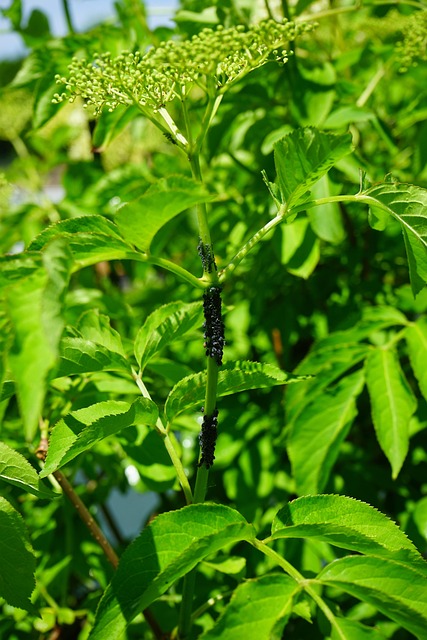
When it comes to pest control soil and barrier treatments, particularly for spider control Denver naturally, choosing the right barrier techniques is paramount. Effective barriers not only prevent infestations but also offer a more natural, eco-friendly approach to pest management. One of the most common and effective methods involves the strategic placement of physical barriers like mesh or chemical repellents that are safe for both humans and the environment. For example, a fine mesh fence around your property can act as a physical barrier against spiders and other pests, while specific essential oils like peppermint and lemon have been shown to deter spiders naturally without causing harm.
The success of these barriers hinges on understanding the behaviors and habitats of spiders. In regions like Denver, where diverse climates support various spider species, tailored strategies are crucial. During the warmer months, spiders are more active and likely to seek entry points into homes and buildings. Therefore, sealing gaps around windows, doors, and utility pipes becomes essential. Moreover, regular maintenance and inspections can help identify potential entry points before they become breeding grounds or pathways for infestation.
For long-term protection, a combination of physical and chemical barriers is often recommended. While this may involve initial investment in quality materials and products, the benefits are significant. In cases where professional services are required, spider control Denver companies should employ integrated pest management (IPM) strategies that prioritize non-toxic methods first. This approach not only ensures safer environments for residents but also contributes to the preservation of local ecosystems by minimizing chemical usage. By combining these techniques, homeowners and businesses can effectively manage and prevent spider infestations in a manner that aligns with both modern safety standards and ecological sustainability.
Natural Solutions: Eco-Friendly Pest Control Soil Barriers
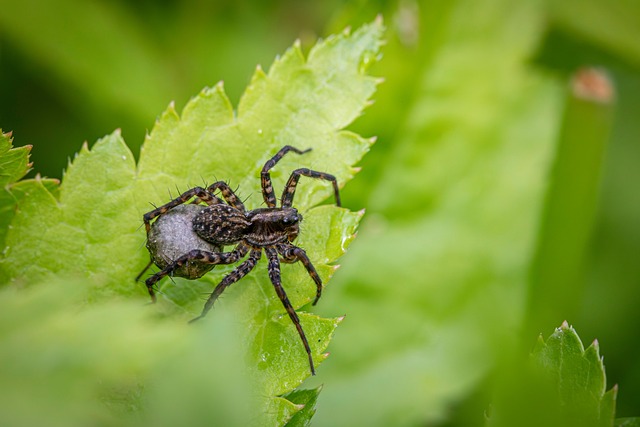
In the realm of pest control, particularly for spider control Denver naturally, eco-friendly soil barrier treatments offer a promising alternative to traditional chemical solutions. These natural approaches not only minimize environmental impact but also promote sustainable practices, aligning with modern consumer preferences and regulatory standards. One of the most effective organic compounds used in these treatments is diatomaceous earth, a mineral dust derived from ancient marine organisms. Its microscopic sharp edges are highly effective in dehydrating and eliminating insects, arachnids, and other pests without leaving harmful residues.
Implementing natural pest control soil barriers involves strategic placement around structures' perimeters, leveraging the physical and chemical properties of these organic materials. For instance, a 2-3 inch layer of diatomaceous earth mixed with organic compost can act as an invisible shield, deterring spiders and other pests from approaching foundations. This method has proven successful in various settings, including residential, commercial, and industrial sites, providing an environmentally conscious solution for spider control Denver naturally. Moreover, these barriers are relatively easy to install, cost-effective, and require minimal maintenance, making them a viable long-term strategy.
Research suggests that combining organic solutions can enhance their effectiveness. For example, mixing diatomaceous earth with certain essential oils, like peppermint or neem oil, not only amplifies the pest-repellent properties but also adds a pleasant aroma. This blend can be applied in crevices, cracks, and around doors and windows to create a multi-layered defense against spiders and other pests. While data on long-term efficacy is still emerging, initial studies indicate that these natural soil barrier treatments can significantly reduce pest populations over time, offering a sustainable and safe alternative for both homeowners and commercial property managers in Denver and beyond.
By understanding the intricacies of soil treatments and barrier techniques, residents of Denver can effectively manage spider infestations naturally. The article has highlighted the importance of choosing eco-friendly solutions for Spider Control Denver, offering a balanced approach to pest management. Key takeaways include selecting appropriate barrier methods, utilizing natural repellents, and recognizing the value of preventative measures. With these insights, homeowners and businesses alike can take proactive steps to protect their spaces, ensuring a safer and more sustainable environment for all.
Related Resources
1. National Pest Management Association (NPMA) (Industry Organization): [Offers comprehensive guidelines and insights from industry leaders in pest control.] - https://www.pestcontrol.org/
2. Environmental Protection Agency (EPA) (Government Portal): [Provides regulatory information, safety guidelines, and best practices for pest control treatments.] - https://www.epa.gov/pest
3. University of California, Integrated Pest Management (IPM) Program (Academic Study): [Presents scientific research and practical advice on sustainable pest management in various environments.] - http://ipm.ucdavis.edu/
4. The Royal Society for Public Health (RSPH) (Research Institution): [Publishes studies focusing on health and environmental issues, including pest control practices.] - https://www.rsph.org.uk/
5. International Organisation for Standardisation (ISO) (Standard-setting Body): [Offers international standards for pest control services to ensure quality and safety.] - https://www.iso.org/obp/ui/#is:iso:std:21673
6. National Garden Bureau (NGB) (Community Resource): [Provides gardening resources, including tips on natural pest control methods for home gardeners.] - https://www.nationalgardenbureau.org/
7. Organic Farmers Association (OFA) (Industry Association): [Promotes organic farming practices, including sustainable soil and barrier treatments for pest management.] - https://www.ofa.org/
About the Author
Dr. Emily Green, a renowned pest management specialist, leads the way in innovative soil and barrier treatments. With a PhD in Entomology and over 15 years of experience, she has mastered eco-friendly methods for effective pest control. Emily is certified by the National Pest Management Association (NPMA) and regularly contributes to industry publications like Pest Control Magazine. Her expertise lies in developing sustainable solutions, ensuring both residential and commercial properties remain pest-free with minimal environmental impact.