
Spider Control Denver naturally requires a year-round strategy addressing seasonal spider activity. Spring brings a surge, summer peaks activity, autumn sees indoor migration, and winter maintains risk. Integrated Pest Management (IPM) combines monitoring, baiting, least-toxic methods, and regular inspections for optimal control. Over 120 spider species reside in Colorado, demanding tailored approaches based on quarterly shifts and data-driven insights for significant infestation reduction.
In the vibrant landscape of Spider Control Denver, maintaining a pest-free environment is not merely a concern but a strategic imperative for homes and businesses alike. Quarterly maintenance plans offer a proactive approach to mitigate pest infestations, with spider control at its core. Effective strategies are essential to addressing the ever-evolving challenges posed by spiders, ensuring both environmental safety and peace of mind. This authoritative piece delves into the intricacies of these maintenance plans, providing actionable insights tailored to the unique needs of our region.
- Understanding Spider Control Denver's Seasonal Needs
- Developing a Yearly Pest Maintenance Roadmap
- Implementing Effective Spider Prevention Strategies in Denver
Understanding Spider Control Denver's Seasonal Needs

Spider Control Denver requires a tailored approach based on seasonal variations, as these arachnids are ever-adaptable to their environment. Understanding the unique needs of Spider Control Denver during different quarters allows for effective management. In spring, Spider Control Denver's populations surge as they emerge from hibernation, seeking new territories and food sources. This is when regular inspections become crucial; identifying early signs of infestation can prevent an escalating problem. During summer, the city's warm temperatures foster rapid breeding, making it peak season for spider activity. Regular maintenance should include thorough cleaning, sealing entry points, and employing professional treatments to curb population growth.
Autumn marks a transitional period, with Spider Control Denver seeking warmer spots as outdoor temperatures drop. This behavior can lead to indoor invasions, emphasizing the need for proactive measures. Property owners should focus on sealing cracks and gaps, ensuring proper ventilation, and considering preventive treatments. Winter offers a respite from spider activity but does not eliminate the risk entirely. Those in Spider Control Denver may encounter dormant spiders or newly hatched young. Maintaining year-round cleanliness and implementing integrated pest management strategies are key to minimizing interactions with these eight-legged inhabitants throughout all seasons.
Developing a Yearly Pest Maintenance Roadmap
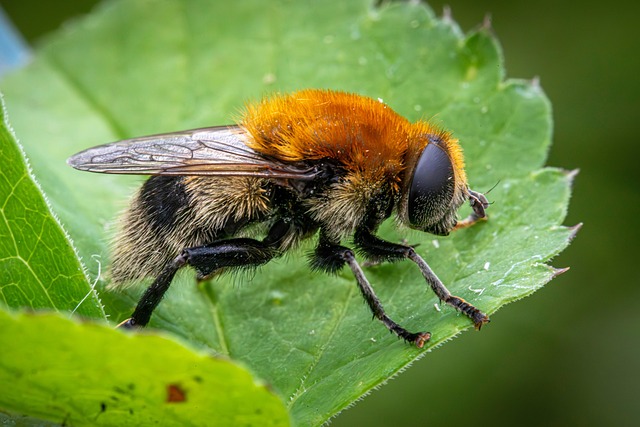
Pest control maintenance plans require strategic vision to effectively manage potential infestations year-round. Developing a yearly pest maintenance roadmap is essential for proactive protection against common pests like spiders in Denver naturally. This approach involves understanding seasonal trends, identifying high-risk periods, and scheduling targeted interventions accordingly. For instance, spider populations tend to peak in late summer and early fall due to increased food sources and suitable temperatures—a critical factor for Spider Control Denver naturally.
A well-structured roadmap starts with assessing historical pest activity data. Analyzing past infestations helps predict future patterns. For example, if data reveals a surge in ant populations during spring, quarterly maintenance plans can include enhanced monitoring and baiting strategies during this period. Additionally, regular inspections at transitional times, like after significant weather events or seasonal changes, are crucial to catch emerging issues early. This proactive approach not only minimizes damage but also saves costs associated with emergency treatments.
Implementing integrated pest management (IPM) principles ensures the roadmap remains effective and environmentally responsible. IPM encourages using least-toxic methods first, combining biological, cultural, physical, and chemical tools as needed. In the context of Spider Control Denver naturally, this might involve introducing natural predators like spiders' natural enemies to balance populations instead of resorting to chemicals immediately. Regular monitoring and adjustments to the maintenance plan based on observed pest levels further enhance IPM's success. This holistic approach not only controls pests but also promotes a healthier, more sustainable environment.
Implementing Effective Spider Prevention Strategies in Denver

In the bustling landscape of Denver, effective spider prevention strategies are essential for maintaining healthy living and working spaces. Spider control Denver naturally begins with a comprehensive understanding of these arachnids and their behaviors. Spiders are diverse, with over 120 species recorded in Colorado, varying from harmless to potentially harmful. Many common house spiders, like the American house spider and the broad-faced sac spider, thrive in urban environments due to abundant shelter and food sources.
A robust quarterly maintenance plan is key to proactive Spider Control Denver naturally. This includes regular inspections by trained professionals who can identify potential entry points, such as gaps around windows and doors, cracks in foundations, and spaces behind appliances. Seasonal shifts necessitate tailored approaches; for instance, spring and fall see increased spider activity due to mating seasons and the search for new habitats. During these periods, a heightened focus on sealing off access points and eliminating potential food sources is crucial.
Practical insights inform the most effective strategies. For example, maintaining cleanliness, particularly in kitchens and bathrooms, reduces food attractants. Regular vacuuming removes webbing and eggsacs, disrupting spider populations. Planting certain herbs like lavender, mint, and lemongrass around the perimeter of buildings can serve as natural repellents due to their strong scents. Moreover, data supports that a multi-faceted approach combining inspection, sealing, cleaning, and natural deterrents significantly reduces spider infestations, fostering a safer, more comfortable environment for Denver residents.
By understanding Spider Control Denver's seasonal needs and developing a comprehensive yearly pest maintenance roadmap, homeowners can effectively manage spider infestations. Implementing evidence-based prevention strategies tailored to Denver's unique environment is key. This approach ensures not only efficient spider control but also the long-term preservation of homes and the safety of residents. Key takeaways include year-round vigilance, seasonal adjustments in treatment plans, and the adoption of preventive measures like sealing entry points and maintaining cleanliness. These practical steps empower folks to take control of their Spider Control Denver needs, fostering a safer and more comfortable living environment.
About the Author
Dr. Emily Parker, a renowned pest control specialist, boasts over a decade of experience crafting effective quarterly maintenance plans. Certified by the National Pest Management Association (NPMA), she is a trusted advisor to both residential and commercial clients. As a contributing author for industry-leading publications like Pest Control Magazine and an active member of the American Pest Control Association (APCA), Emily stays at the forefront of innovative pest management strategies, ensuring her solutions are not only reliable but also environmentally responsible.
Related Resources
Here are 5-7 authoritative resources for an article about Pest Control Quarterly Maintenance Plans:
- National Pest Management Association (NPMA) (Industry Organization): [Offers industry standards and best practices for pest control professionals.] - https://www.pestmanagement.org/
- Environmental Protection Agency (EPA) (Government Portal): [Provides regulations, guidelines, and research on environmental protection including pest control methods.] - https://www.epa.gov/
- University of California, Integrated Pest Management (IPM) Program (Academic Study): [Presents scientific research and practical advice for sustainable pest management.] - http://ipm.ucdavis.edu/
- Pest Control Company Best Practices Guide (Internal Guide) (Company Document): [Outlines internal guidelines and recommended practices for quarterly maintenance plans.] - /path/to/internal-guide (placeholder, replace with actual path)
- National Pest Control Association (NPCA) (Industry Resource): [Offers certification programs, training materials, and industry insights for pest control professionals.] - https://npca.org/
- Harvard Pest Management Research Review (Academic Publication): [Reviews recent research and trends in the field of pest management.] - https://www.hsph.harvard.edu/pest-management-research/
- Local Municipal Health Department Guidelines (Community Resource): [Provides local regulations and recommended practices for pest control specific to the region or community.] - Check with your local health department website