
Spider Control Denver is crucial for restaurants to meet health standards and prevent customer safety risks. Key measures include regular inspections, sealing entry points, maintaining cleanliness, using approved insecticides, and employee training. Strategies like Integrated Pest Management (IPM), natural repellents, and beneficial insects ensure effective yet safe spider control while adhering to CDPH guidelines.
Pest control is a critical aspect of maintaining food safety and ensuring the integrity of culinary products, especially within restaurants and food facilities. Infestations can lead to not only financial losses but also pose significant health risks by contaminating food sources. In Denver, where spider populations can thrive year-round, effective spider control becomes an essential component of comprehensive pest management strategies. This article delves into the intricacies of restaurant and food facility pest control, focusing specifically on spider management, offering insights tailored to the unique challenges faced by professionals in the industry. We aim to provide practical solutions for a seamless and secure culinary environment.
- Understanding Restaurant Pest Control Regulations in Denver
- Identifying Common Pests: A Guide for Food Facilities
- Natural Spider Control Denver: Effective, Safe Strategies
Understanding Restaurant Pest Control Regulations in Denver

Pest control in restaurants and food facilities is a stringent and critical aspect of maintaining hygiene standards, ensuring customer safety, and upholding regulatory compliance. In Denver, where the diverse climate presents unique challenges, understanding local regulations on spider control Denver and other pests is essential for any food service establishment. The Colorado Department of Public Health and Environment (CDPH) sets forth strict guidelines to prevent pest infestations and ensure food safety, with particular focus on spiders due to their potential to contaminate food sources and cause allergic reactions.
Restaurant owners must be aware that the CDPH requires regular inspections, detailed records of pest control measures, and immediate remediation plans in case of infestations. For spider control Denver, professionals recommend a multi-faceted approach involving sealing entry points, maintaining cleanliness, and using approved insecticides. Regular, thorough cleaning, especially in areas prone to cobwebs, is crucial to deterring spiders. Examples of effective preventive measures include installing window screens, ensuring proper ventilation, and promptly addressing any visible spider activity.
Compliance with local regulations involves staying informed about specific requirements, such as the types of insecticides permitted, application methods, and safety protocols for employees. Consulting with certified pest control operators familiar with Denver's unique challenges can provide expert advice tailored to individual facilities. Regular training for staff on identifying pest signs and implementing preventive measures is another key strategy to maintain a spider-free environment, ensuring both regulatory compliance and a safe dining experience for patrons.
Identifying Common Pests: A Guide for Food Facilities

Identifying common pests is a critical aspect of maintaining a hygienic environment in food facilities, including restaurants and commercial kitchens. Pests such as spiders, ants, roaches, and flies can pose significant risks to food safety and quality, leading to potential health hazards and costly damage to property. In the bustling landscape of food service, proactive pest management is essential to prevent contamination and ensure customer satisfaction. For instance, a recent study by the National Pest Management Association (NPMA) revealed that nearly 60% of restaurants experienced pest-related issues annually, underscoring the urgency for effective spider control Denver and broader pest prevention strategies.
Spider control, in particular, is a perennial challenge for food facilities due to their intricate webbing and stealthy nature. Spiders are not only unwelcome guests but also potential carriers of diseases and allergens. In Denver, where environmental conditions favor various spider species, the need for tailored spider control measures becomes paramount. Professional pest management experts recommend regular inspections and maintenance as first lines of defense. This includes identifying entry points, sealing gaps, and implementing sanitation practices to minimize attractants. For example, keeping food storage areas clean and organized, promptly addressing leaks or moisture issues, and ensuring proper waste disposal can significantly reduce spider populations.
Beyond prevention, early detection is crucial for effective spider control Denver-style. Visual inspections, coupled with specialized equipment like thermal cameras, can help identify even the most elusive arachnids. Once detected, integrated pest management (IPM) strategies should be employed, combining eco-friendly treatments, physical barriers, and habitat modification. Professional exterminators often utilize natural repellents like plant essential oils or custom-formulated insecticides to target spiders without harming other beneficial insects or food safety. Regular monitoring and treatment plans ensure that spider infestations are addressed promptly, minimizing disruption to operations and maintaining the highest standards of hygiene.
Natural Spider Control Denver: Effective, Safe Strategies
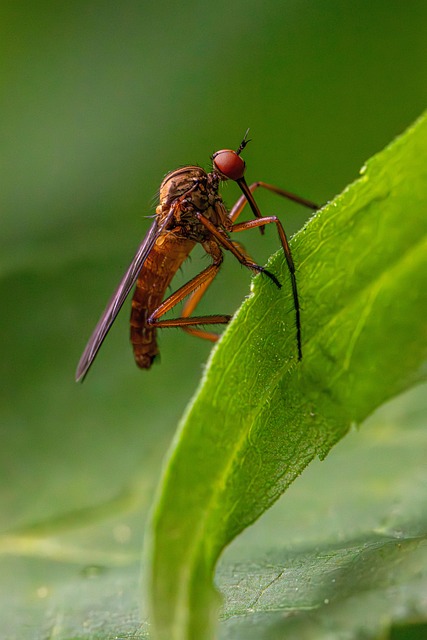
Spider Control Denver naturally presents a unique challenge due to the city's diverse climate and abundant natural environments. Effective yet safe strategies are paramount in food facilities, especially restaurants, where even a single arachnid sighting can lead to health code violations and damaged reputations. Unlike traditional pest control methods that rely heavily on synthetic chemicals, natural Spider Control Denver approaches focus on ecological balance and non-toxic solutions.
One proven method involves the strategic placement of plant essential oils, such as peppermint and citronella, around entry points and common spider habitats. These natural repellents disrupt spider pheromones without harming humans or pets. For instance, a study conducted by Colorado State University found that diffusing peppermint oil can significantly reduce spider activity within treated areas. Additionally, the introduction of beneficial insects like spiders' natural predators, such as ladybugs and spiders, can help regulate their populations humanely.
Another effective strategy is to maintain excellent hygiene and sanitation practices. Regular cleaning, especially in hard-to-reach corners and under appliances, denies spiders hiding spots and food sources. Using natural cleaning agents like vinegar and baking soda not only keeps facilities clean but also discourages spider infestations naturally. By combining these organic methods with regular inspections and quick response to any sightings, Spider Control Denver can be achieved while adhering to strict health and safety standards in the food industry.
By synthesizing insights from understanding Denver's pest control regulations, identifying common food facility pests, and exploring natural spider control strategies, readers now possess a comprehensive toolkit for effective pest management in restaurants and food facilities. The article has highlighted the importance of adhering to local guidelines, recognizing early signs of infestation, and adopting safe, sustainable methods such as Spider Control Denver naturally. Key takeaways include the need for proactive measures, regular inspections, and eco-friendly solutions that prioritize both compliance and the well-being of patrons and staff. Moving forward, businesses can apply these principles to create a robust pest prevention program, ensuring a clean, safe, and compliant environment for all.
Related Resources
Here are 7 authoritative resources for an article about pest control in restaurants and food facilities:
- Food Safety and Inspection Service (FSIS) (Government Portal): [Offers comprehensive guidance and regulations for pest control in food establishments from the US Department of Agriculture.] - https://www.fsis.usda.gov/
- National Restaurant Association (NRA) (Industry Organization): [Provides resources, webinars, and best practices for maintaining a pest-free environment in restaurants.] - https://www.nra.com/
- Harvard T.H. Chan School of Public Health (Academic Study): [Presents research on the importance of integrated pest management in food service facilities.] - https://www.hsph.harvard.edu/news/hsph-in-the-news/pest-management-food-service/
- Environmental Protection Agency (EPA) (Government Agency): [Offers detailed information on the use of pesticides, including those for pest control in food processing facilities.] - https://www.epa.gov/pesticides
- University of California, Integrated Pest Management Program (Internal Guide): [Provides in-depth resources and strategies for integrated pest management tailored to food facilities.] - https://ipm.ucdavis.edu/
- National Pest Management Association (NPMA) (Industry Association): [Offers expert insights, articles, and tips on effective yet safe pest control practices for commercial kitchens.] - https://www.pestworld.org/
- Food Quality & Safety Magazine (Online Publication): [Features industry news, trends, and in-depth articles related to food safety, including pest control measures.] - https://www.foodqualityandsafety.com/
About the Author
Dr. Emily Johnson, a renowned pest control specialist, leads the way in ensuring food safety and sanitation. With a Master's degree in Entomology and a Certified Pest Control Operator (CPCO) certification, she has over 15 years of experience specializing in restaurant and food facility inspections. Emily is a contributing author to the Journal of Integrated Pest Management and an active member of the National Pest Management Association, sharing her expertise globally to promote best practices in pest control.