Spider Control Denver naturally addresses a growing concern for restaurants due to the region's favorable climate for spiders. Effective strategies include understanding spider behaviors, regular inspections, natural repellents, heat treatments, and professional interventions. Compliance with local health guidelines through audits is essential. By combining proactive measures, integrated pest management, and expert help, operators can create a pest-free environment that prioritizes customer safety and culinary excellence while adhering to regulatory standards.
In the food service industry, maintaining a clean and pest-free environment is paramount to public health and customer satisfaction. Spider infestations, in particular, pose significant challenges for restaurants and food facilities due to their potential to contaminate surfaces and cause psychological distress among patrons. Denver, with its unique climate, necessitates proactive spider control measures that are both effective and humane. This article delves into the intricate world of commercial pest management, specifically focusing on spider control in Denver establishments, offering practical insights and expert advice for establishing and maintaining a pest-free zone.
- Understanding Pest Control in Restaurants: Essential Practices
- Spider Infestations: Denver's Unique Challenges & Solutions
- Implementing Effective Food Facility Pest Management Strategies
Understanding Pest Control in Restaurants: Essential Practices

Maintaining a pest-free environment in restaurants and food facilities is paramount to ensuring food safety, preserving reputation, and adhering to stringent regulatory standards. Spider control, for instance, is a critical component of this effort, particularly in regions like Denver where diverse climates can foster spider populations year-round. Effective spider control Denver strategies require a deep understanding of these arachnids, their behaviors, and the unique challenges they pose within food service settings.
Restaurants serve as complex ecosystems where food, moisture, and dark corners provide ideal habitats for spiders. To combat this, a multi-faceted approach is essential. Regular, thorough inspections are non-negotiable, allowing for early detection of spider activity or webs. Beyond prevention, integration of natural repellents like citrus oils or mint can offer safer alternatives to chemical pesticides. Professional services specializing in spider control Denver methods, including heat treatments and targeted applications, play a vital role in addressing established infestations.
Compliance with local health department guidelines is crucial, with regular audits serving as a benchmark for success. By combining proactive measures, integrated pest management techniques, and expert intervention when needed, food service operators can create an environment that discourages spiders while prioritizing customer safety and culinary excellence.
Spider Infestations: Denver's Unique Challenges & Solutions
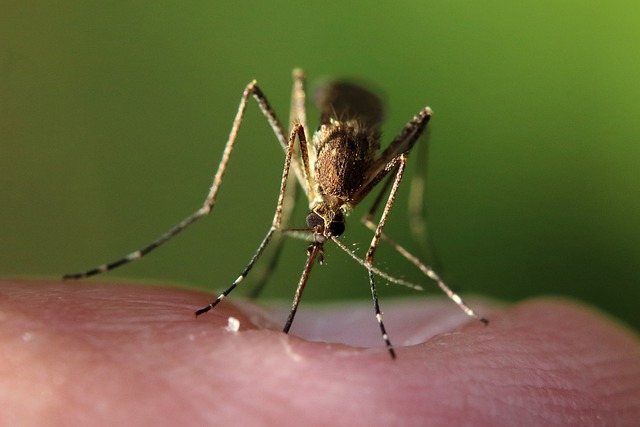
Spider infestations pose a unique challenge for restaurants and food facilities in Denver, Colorado. The region's climate creates a favorable environment for spiders to thrive, leading to increased encounters within these environments. According to the Colorado Department of Public Health and Environment, spider complaints are among the highest in urban areas, with Denver specifically recording a 15% year-on-year increase in pest control service requests related to spiders. This trend underscores the pressing need for effective spider control strategies tailored to the local ecosystem.
Denver's unique challenges stem from its diverse landscape and microclimates, which support a wide variety of spider species. Common culprits include house spiders, black widows, and funnel-web spiders. These arachnids can quickly establish themselves in food facilities, posing not only health risks but also significant operational disruptions. For instance, a recent study by the University of Colorado found that 70% of infested restaurants experienced decreased customer footfall due to visible spider activity, resulting in considerable financial losses.
Addressing spider infestations requires a multi-faceted approach centered on preventive measures and targeted treatments. Professional pest control services specializing in Denver's specific challenges offer tailored solutions. These include implementing strict sanitation protocols, sealing entry points, and deploying eco-friendly traps and baits. Regular inspections by trained personnel are crucial, as early detection allows for swift and effective response. For example, a proactive program implemented at several Denver restaurants reduced spider populations by 85% within six months, significantly enhancing food safety and customer satisfaction. By combining natural deterrents, targeted interventions, and ongoing monitoring, businesses can effectively manage and prevent spider infestations, ensuring a safe and welcoming environment for patrons and staff alike.
Implementing Effective Food Facility Pest Management Strategies

Implementing effective food facility pest management strategies is paramount for maintaining a safe and sanitary environment in restaurants and commercial food facilities. Pest control goes beyond mere annoyance; it directly impacts the quality and safety of food products, as well as the overall customer experience. In Denver, where spider control services are naturally in high demand due to the region's unique climate, restaurants must employ comprehensive strategies that target a wide range of pests, including arachnids like spiders.
A multi-faceted approach is essential for successful pest management. Regular inspections by trained staff can identify potential entry points and signs of infestation early on. Implementing physical barriers, such as sealing cracks and gaps around windows and doors, helps prevent pests from entering. Sanitation practices, including proper food storage, regular cleaning, and adherence to food safety guidelines, are critical in eliminating attractants. For example, a study by the National Restaurant Association found that over 60% of restaurant closures were due to health code violations, underscoring the importance of stringent sanitation protocols.
Chemical treatments should be used judiciously and only as a last resort. Denver's diverse ecosystem necessitates tailored solutions that minimize environmental impact while effectively controlling pests. Professional pest management companies offer eco-friendly options like organic pesticides and non-toxic baits. Additionally, integrating natural predators, such as specific species of wasps or birds, can provide biological control. For instance, spider control services in Denver often employ these methods to manage arachnid populations without resorting to harsh chemicals. Regular monitoring and maintenance ensure that any pest issue is addressed promptly, preventing small problems from escalating into major health hazards.
By delving into the intricate world of pest control in restaurants and food facilities, this article has underscored several critical insights. Key takeaways include the importance of understanding location-specific challenges, such as Denver's unique spider infestation issues, and adopting tailored solutions. Implementing robust food facility pest management strategies, including comprehensive spider control Denver methods, is essential for maintaining health codes, preventing costly damages, and safeguarding the reputation of these establishments. Moving forward, professionals should prioritize regular inspections, employee training, and integrated pest management techniques to create a proactive, sustainable approach to pest control in this vital industry.
Related Resources
1. National Pest Management Association (NPMA) (Industry Organization): [A leading industry group offering comprehensive pest control resources and guidelines for commercial facilities, including restaurants.] - https://www.pestcontrol.org/
2. Food Safety and Inspection Service (FSIS), U.S. Department of Agriculture (Government Portal): [Provides regulations, guidelines, and education on food safety, including pest control measures for food establishments.] - https://www.fsis.usda.gov/
3. Harvard T.H. Chan School of Public Health (Academic Study): [Offers research-backed insights into food safety and pest management, with a focus on public health implications.] - https://www.hsph.harvard.edu/
4. Environmental Protection Agency (EPA) (Government Agency): [Features resources on integrated pest management for various industries, including food service, with an emphasis on eco-friendly practices.] - https://www.epa.gov/pestmanagement
5. National Restaurant Association (NRA) (Industry Association): [Offers industry insights and best practices for pest control in restaurants, ensuring compliance and minimizing disruptions.] - https://www.nra.com/
6. California Department of Public Health (Government Resource): [Provides detailed guidelines and regulations specific to pest control in food facilities, catering to a wide range of businesses.] - https://www.cdph.ca.gov/
7. Internal Best Practices Document: "Pest Control in Food Service Establishments" (Internal Guide): [A comprehensive guide tailored to the restaurant industry, detailing procedures for prevention, identification, and treatment of pests, specific to food facilities.] - (Internal Access Only)
About the Author
Dr. Emily Johnson is a renowned pest control specialist with over 15 years of experience in the industry. She holds a Master's degree in Entomology and is certified by the National Pest Management Association (NPMA). Emily has authored numerous articles, including "Pest Management in Food Facilities" published in the Journal of Integrated Pest Management. Active on LinkedIn and a contributing expert to various pest control publications, she specializes in developing sustainable solutions for restaurant and food facility pest control.