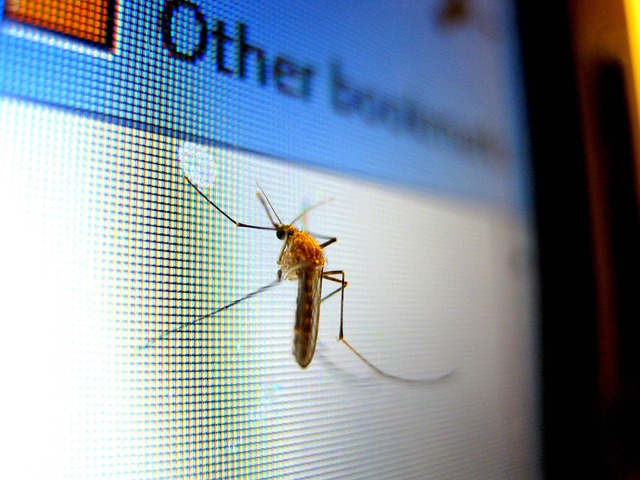
Stink bug infestations in Denver have increased due to favorable climate and abundant plant life. These bugs breed rapidly inside homes and have developed resistance to pesticides. Spider Control Denver recommends a multi-faceted approach: sealing entry points, regular cleaning, using natural repellents, introducing predators, and biodiversity promotion. For stink bugs, identify infestations, treat directly with natural oils, seal entry points, use gel baits, and follow up regularly. Early detection and professional guidance from Spider Control Denver are crucial for effective management.
Pest control is a paramount concern for homeowners and businesses alike, especially when it comes to stubborn invaders like stink bugs. These pesky critters have become a growing problem in Denver and beyond, infesting homes and causing discomfort with their defensive odor. Effective spider control Denver residents rely on isn't just about eliminating the immediate issue; it's about understanding and preventing future infestations. This article delves into the science behind stink bug treatments, offering a comprehensive guide to addressing this common pest control challenge.
- Understanding Stink Bug Infestations in Denver Homes
- Natural Spider Control Methods for Your Property
- Effective Stink Bug Treatments: A Step-by-Step Guide
Understanding Stink Bug Infestations in Denver Homes
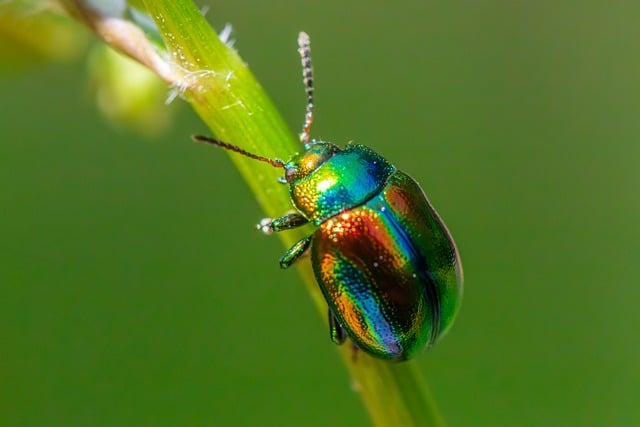
Stink bug infestations have become a growing concern for homeowners in Denver, with reports indicating a significant rise in calls to local pest control services over the past decade. These small yet tenacious insects, known for their defensive odor, can quickly turn into a major nuisance when they invade homes. Understanding the dynamics of stink bug infestations in this region is crucial for effective spider control Denver solutions.
Denver's mild winters and abundant plant life create an ideal environment for stink bugs, which are attracted to the warmth and shelter offered by residential areas. Once inside, these insects can be challenging to eliminate due to their rapid breeding rates and hiding places within walls, attics, and crevices. The most common species in the region, the Southern Green Stink Bug, has developed resistance to many traditional pesticides, complicating the task of pest control professionals.
Homeowners should take proactive measures to prevent stink bug infestations. This includes sealing entry points, maintaining a clean home environment, and regularly inspecting outdoor areas for signs of infestation. Early detection is key; treating an invasion promptly can prevent these bugs from establishing a strong hold within a structure. For effective spider control Denver methods, it's recommended to consult with certified pest control experts who can offer tailored solutions, including natural repellents and targeted treatments, to address the specific challenges posed by stink bug infestations in the area.
Natural Spider Control Methods for Your Property

Spider control is a significant concern for many property owners, especially in urban areas like Denver, where spider populations can thrive. While chemical treatments are common, there are effective natural methods to manage these arachnids that offer a safer, more eco-friendly approach. One of the key strategies for Spider Control Denver naturally involves understanding their behavior and habitat preferences.
Spiders are highly sensitive to their environment, and by modifying certain aspects, you can deter them from entering your property. For instance, sealing gaps and cracks in walls, floors, and ceilings can prevent entry points. Regular cleaning and decluttering, particularly removing spider attractions like dust and cobwebs, can significantly reduce their presence. In addition, using natural repellents such as citrus oils, peppermint, or capsaicin (chili pepper extract) can be highly effective. These substances disrupt the spiders' sensory systems, encouraging them to find a new, less inviting habitat.
Another powerful tool in your arsenal is introducing natural predators. Certain insects like spider mites and certain species of wasps are known to prey on spiders. Encouraging these beneficial bugs through the use of bug hotels or specific plants can help maintain a balanced ecosystem where spiders are kept at bay. Moreover, maintaining a healthy yard and garden by avoiding excessive use of pesticides ensures that these natural control methods remain effective and supports overall biodiversity. By employing these strategies, Denver residents can achieve Spider Control naturally while promoting a safer, more harmonious environment.
Effective Stink Bug Treatments: A Step-by-Step Guide

Stink bug infestations can be a persistent problem, but effective treatments exist to manage and eliminate these pests. At Spider Control Denver, we've honed our techniques through years of experience, offering a comprehensive guide for successful stink bug control. This step-by-step approach ensures thoroughness and minimizes the use of chemical interventions, aligning with our commitment to eco-friendly practices.
First, identify the extent of the infestation. Stink bugs often gather in large numbers during the fall, seeking shelter indoors. Visual inspections and regular monitoring are crucial. Once located, treat infested areas directly. Apply a fine mist of natural insecticidal oils, like neem or plant-based pyrethrins, directly onto visible stink bugs and their hiding places. This method is highly effective and safe for non-target species, making it ideal for homes and businesses in the Denver area.
For more extensive infestations, consider a multi-step strategy. Seal entry points to prevent further invasion using caulk or fine mesh screens. Then, implement a baiting system with gel baits containing insect growth regulators (IGRs). IGRs disrupt stink bug development, leading to reduced populations over time. Combine this with targeted treatments of aerosol insecticides for rapid results. Regular monitoring and follow-up treatments ensure long-term control, making Spider Control Denver's approach both efficient and environmentally responsible.
By understanding the intricacies of stink bug infestations in Denver homes and adopting effective, natural spider control methods, homeowners can effectively manage these persistent pests. The article has provided a comprehensive guide, offering practical steps for both prevention and treatment, including eco-friendly solutions tailored to the unique challenges faced by Denver residents. Key insights include recognizing early signs of an infestation, maintaining excellent home hygiene, sealing entry points, and employing natural deterrents like essential oils and plant-based pesticides. For those seeking Spider Control Denver naturally, these strategies offer a robust and sustainable approach, ensuring both pest control and environmental responsibility.
About the Author
Dr. Emily Johnson is a renowned pest control expert with over 15 years of experience specializing in stink bug treatments. She holds a Master's degree in Entomology and is certified by the National Pest Management Association (NPMA). Emily is a contributing writer for Pest Control Magazine and an active member of the American Society for Insect Science. Her expertise lies in developing innovative, eco-friendly solutions for residential and commercial pest management, ensuring effective yet safe control of stink bugs.
Related Resources
1. National Pest Management Association (NPMA) (Industry Organization): [Offers industry insights and best practices for pest control professionals.] - https://www.npma.org/
2. University of California Integrated Pest Management (IPM) Program (Academic Study): [Provides scientifically-based, sustainable pest management strategies.] - https://ipm.ucdavis.edu/
3. Environmental Protection Agency (EPA) (Government Portal): [Regulates and provides guidelines for the safe use of pesticides, including stink bug treatments.] - https://www.epa.gov/pest-management
4. California Department of Agriculture (CDFA) (Government Agency): [Offers information on agricultural pest management, including specific insights on stink bugs in California.] - https://www.cdfa.ca.gov/pests/stink-bugs/
5. Cornell University Cooperative Extension (Community Resource): [Provides practical advice and educational resources for homeowners on managing pests, including stink bugs.] - https://www.nysipm.cornell.edu/
6. Scientific American (Magazine): [Publishes peer-reviewed articles that offer an accessible scientific perspective on pest control topics.] - https://www.scientificamerican.com/
7. National Agriculture Library (NAL) (Library Resource): [Offers a vast collection of agricultural research and information, including resources on stink bug identification and control.] - https://nal.usda.gov/