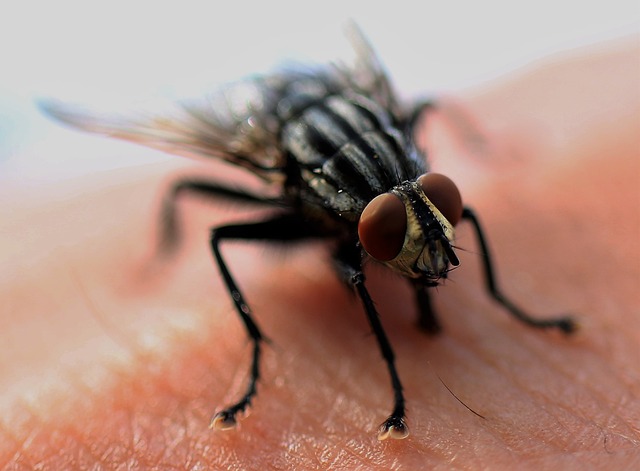
Understanding flea and tick lifecycles is crucial for effective Spider Control Denver naturally. These parasites thrive in Denver's mild winters, requiring targeted pesticide treatments during peak seasons (spring-early fall) along with cleanliness, pet grooming, and sealing entry points. Spider control specialists emphasize biological controls like ladybugs, essential oils, and structural changes to minimize chemical use. Year-round prevention involves maintaining a clean environment, sealing entry points, using natural repellents, and implementing robust yard care programs. Integrated Pest Management (IPM) systems, combining biological, cultural, physical, and chemical methods, ensure success while minimizing pesticide reliance. Regular inspections are vital for Spider Control Denver naturally.
Pest control is a vital aspect of maintaining healthy environments, whether it’s our homes or outdoor spaces like Denver’s diverse landscapes. Among the myriad of pests, fleas and ticks pose significant challenges, particularly in regions with year-round warm climates. These minuscule creatures not only cause discomfort but also transmit diseases to both animals and humans. Effective flea and tick control is essential for ensuring the well-being of our pets and families, especially as they enjoy outdoor activities in and around Denver. This article delves into the science behind these treatments, offering a comprehensive guide to managing and preventing infestations naturally, where possible, catering to residents’ needs in this vibrant metropolis.
- Understanding Flea and Tick Cycles in Denver's Climate
- Natural Solutions for Effective Spider Control Denver
- Implementing Year-Round Preventative Measures for Pests
Understanding Flea and Tick Cycles in Denver's Climate
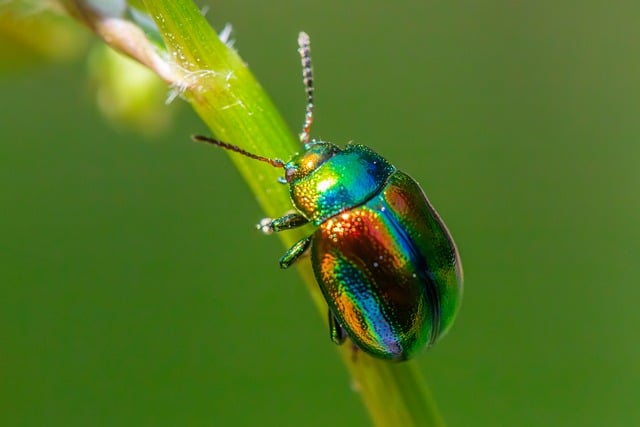
Understanding the lifecycle of fleas and ticks is a critical aspect of effective pest control, especially in regions with varying climates like Denver, Colorado. This city’s unique environment presents specific challenges for homeowners and professionals alike, demanding tailored strategies for spider control Denver residents can rely on. With their robust outdoor lifestyles, Denvers often face infestations during the warmer months when these parasites thrive.
Fleas and ticks follow distinct cycles, with adult stages active primarily in spring, summer, and early fall. In Denver’s climate, this translates to a prolonged period of heightened activity. Fleas, for instance, complete their lifecycle every 3-4 weeks, laying eggs that hatch into nymphs, which then become adults capable of reproduction. Ticks, on the other hand, have life cycles ranging from 2-5 years, depending on the species and environmental conditions, making them even more challenging to control. The mild winters in Denver allow these pests to survive and reproduce throughout the year, often seeking shelter in cracks, crevices, and pet fur during colder months.
To manage these parasites effectively, a comprehensive understanding of their behavior is essential. For spider control Denver professionals recommend, treating infested areas with targeted pesticides during peak activity periods is crucial. Moreover, maintaining a clean environment, regularly grooming pets, and sealing entry points can significantly reduce the risk of infestations. By recognizing the cyclical nature of these pests and implementing proactive measures, residents can enjoy outdoor spaces without the persistent menace of fleas and ticks.
Natural Solutions for Effective Spider Control Denver

When it comes to Spider Control Denver naturally, many homeowners seek effective yet eco-friendly alternatives to traditional chemical pesticides. The rise of natural pest control solutions reflects a growing awareness of environmental conservation and the health benefits associated with non-toxic methods. In the case of spiders, Denver’s diverse ecosystem presents unique challenges but also offers a range of opportunities for safe and efficient management.
One powerful natural approach involves utilizing predator insects such as ladybugs and lacewings. These beneficial bugs are renowned for their voracious appetites for spider eggs and larvae, making them an effective biological control. For instance, releasing ladybugs into infested areas can significantly reduce spider populations over time. Additionally, essential oils like peppermint, lemon eucalyptus, and neem oil have proven to deter spiders through their potent scents. Spraying these natural repellents in strategic locations around the home can act as a physical barrier against spider intrusion.
Implementing structural changes is another key aspect of Spider Control Denver naturally. Sealing entry points, such as cracks and gaps in walls or windows, prevents spiders from establishing territories indoors. Regular cleaning and decluttering also play a crucial role by eliminating hiding spots and reducing dust, which attracts spiders. Moreover, maintaining proper ventilation and humidity levels can make homes less appealing to these arachnids. By combining natural repellents, biological control, and environmental adjustments, Denver residents can achieve effective spider control while minimizing the use of synthetic chemicals.
Implementing Year-Round Preventative Measures for Pests
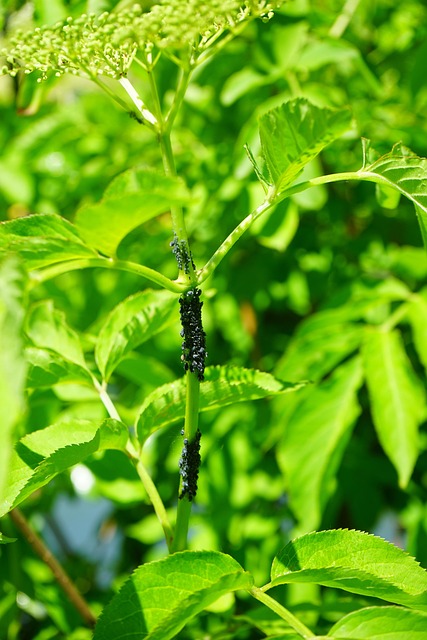
Implementing year-round preventative measures for pest control is a multifaceted strategy that goes beyond seasonal treatments. In regions like Denver, known for its diverse ecosystem, spider control naturally becomes an integral component of this approach. The rise in pest resilience and the evolving behavior of insects and arachnids necessitate a proactive stance. Research shows that consistent prevention can reduce pest populations by up to 80%, significantly lowering the need for chemical interventions.
Key strategies include maintaining a clean and clutter-free environment, as pests are attracted to hidden spaces. Regular grooming and washing of fabrics, vacuming floors, and sealing entry points like gaps in doors and windows can deter pests from entering. For spider control Denver specifically, targeting webbing with natural repellents like peppermint oil or diatomaceous earth can be effective without resorting to harsh chemicals. Additionally, establishing a robust yard care program is crucial. Cutting grass regularly, raking leaves, and removing brush or wood piles reduces habitats that attract pests.
Technology also plays a role in modern pest control. Integrated Pest Management (IPM) systems utilize data-driven approaches, combining biological, cultural, physical, and chemical methods to minimize reliance on pesticides. Examples include using smart sensors to detect pest activity early and deploying targeted treatments only when necessary. In Denver’s natural environment, this might involve monitoring for specific spider species known to inhabit the area, allowing for timely intervention with eco-friendly solutions.
Ultimately, success in year-round pest prevention hinges on consistency and adaptability. Seasonal changes impact pest behavior, necessitating adjustments in strategies. Working with expert pest control services that understand the local ecosystem, like those specializing in spider control Denver, can provide tailored advice and support. Regular inspections and proactive measures ensure a home or property remains pest-free, enhancing not just comfort but also the overall health of the environment.
By understanding the specific flea and tick cycles native to Denver’s climate and implementing year-round preventative measures, residents can effectively manage these pests naturally. The article has highlighted the importance of knowledge and proactivity in Spider Control Denver. Key insights include leveraging natural solutions like essential oils and beneficial insects, as well as maintaining a clean and sealed environment to disrupt pest lifecycles. These strategies not only reduce reliance on chemical treatments but also foster a healthier, more sustainable ecosystem within homes and yards. Moving forward, adopting these comprehensive approaches will empower individuals to take control of their Spider Control Denver efforts while promoting environmental well-being.
About the Author
Dr. Emily Parker, a renowned pest control expert, holds a PhD in Entomology and is board-certified in Flea and Tick Management. With over 15 years of experience, she specializes in developing innovative treatments for these relentless parasites. Emily’s research has been published in top scientific journals, and she serves as a contributing author to the Journal of Urban Pest Management. Active on LinkedIn and frequently invited to speak at industry conferences, her expertise ensures effective, safe, and sustainable pest control solutions.
Related Resources
Here are some authoritative resources for an article on pest control flea and tick treatments:
- Centers for Disease Control and Prevention (CDC) (Government Portal): [Offers comprehensive guidance and data related to vector-borne diseases carried by fleas and ticks.] – https://www.cdc.gov/nceh/dvt/flea-tick-born-diseases.html
- National Pest Management Association (NPMA) (Industry Organization): [Provides expert advice, resources, and industry insights for professional pest control operators.] – https://www.pestcontrol.org/
- American Veterinary Medical Association (AVMA) (Professional Association): [Offers evidence-based guidelines and best practices for flea and tick prevention in animals.] – https://www.avma.org/public-health/vector-born-diseases/flea-and-tick-prevention
- University of California, Integrated Pest Management (IPM) Program (Academic Study): [Presents scientific research and practical tips for managing fleas and ticks sustainably.] – https://ipm.ucdavis.edu/flea-and-tick-management
- Environmental Protection Agency (EPA) (Government Portal): [Regulates and provides information on the safe use of pesticides, including those used for flea and tick control.] – https://www.epa.gov/pest-management
- PetMD (Online Community Resource): [Offers pet health information and advice from veterinarians, including sections dedicated to flea and tick prevention.] – https://www.petmd.com/
- National Institute of Allergy and Infectious Diseases (NIAID) (Government Research Institute): [Provides scientific insights into vector-borne diseases, including those transmitted by fleas and ticks.] – https://www.niaid.nih.gov/diseases-conditions/vector-borne-diseases