
Spider Control Denver naturally addresses cockroach extermination by combining species-specific knowledge, Integrated Pest Management (IPM), eco-friendly methods like beneficial insect introduction, essential oils, and strategic prevention. Key preventative measures include regular cleaning, vacuuming, laundering, fixing leaks, proper ventilation, and sealing gaps. These strategies, combined with professional services, create a robust defense against roaches, ensuring safer, healthier living spaces in urban areas like Denver.
Cockroaches are persistent pests capable of infesting homes and businesses across Denver and beyond. These resilient creatures multiply rapidly and can cause significant damage to property while posing health risks with their ability to harbor bacteria, allergens, and pathogens. Traditional extermination methods often rely on harmful chemicals that raise environmental and safety concerns. However, effective spider control in Denver requires a comprehensive approach that combines scientific understanding with eco-friendly practices. This article delves into the intricate world of cockroach behavior, explores sustainable extermination strategies, and provides valuable insights for property owners seeking reliable solutions in the Mile High City.
- Understanding Cockroach Extermination Techniques
- Natural Solutions for Spider Control Denver
- Preventative Measures: Securing Your Space Against Roaches
Understanding Cockroach Extermination Techniques
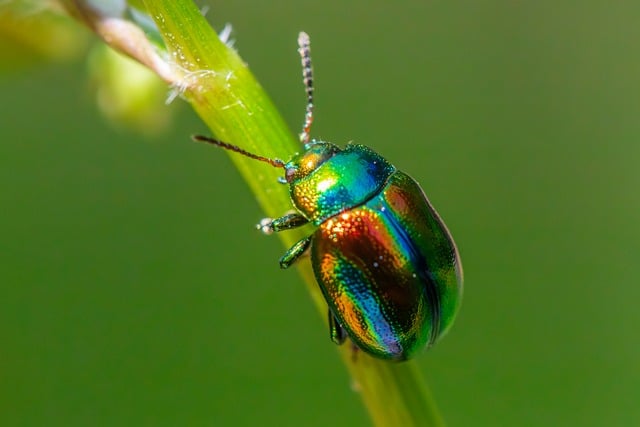
Cockroach extermination is a precise science, requiring tailored techniques to ensure effective control and prevention. Understanding these methods is essential for both professional pest control services and individuals seeking to maintain a cockroach-free environment. One highly regarded service provider, Spider Control Denver, offers deep insights into this domain, emphasizing the importance of knowledge and precision in eradicating these pests.
The first step in any extermination process involves identifying the specific species of cockroach infesting an area. Different species have unique behaviors and vulnerabilities, necessitating customized approaches. For instance, the German cockroach, a common urban pest, thrives in warm, humid environments and is particularly susceptible to baits and insect growth regulators. In contrast, the American cockroach, often found in warehouses and restaurants, requires targeted applications of pesticides due to its robust nature. This species-specific knowledge is crucial for successful extermination.
After identification, professionals employ a multifaceted strategy. This may include sealing entry points to prevent new infestations, applying insecticides in strategic locations, and utilizing baits to capture or kill existing cockroaches. Spider Control Denver advocates for integrated pest management (IPM), an approach that combines these methods with regular monitoring and maintenance. By adhering to IPM principles, not only is the current infestation addressed but future occurrences are also significantly reduced. This holistic view ensures that properties remain free from cockroaches over the long term, providing peace of mind for residents and businesses alike.
Natural Solutions for Spider Control Denver

In the realm of spider control, Denver residents often seek natural solutions to mitigate these eight-legged intruders without resorting to harsh chemicals. Spider Control Denver naturally focuses on environmentally friendly methods that not only reduce pest populations but also minimize health risks and preserve ecosystems. One effective approach involves utilizing beneficial insects such as spiders' natural predators, including certain wasp species and ladybugs. These biological control agents can be introduced into infested areas to feed on and control spider populations over time.
For instance, the release of predator wasps like Stingless Wasps has shown promise in reducing spider numbers organically. These wasps lay their eggs within spider egg sacs, ensuring a consistent decrease in the pest population. Additionally, ladybugs are renowned for their appetite for spiders and other small insects, making them valuable allies in Spider Control Denver naturally. Integrating these natural predators into traditional pest management strategies can lead to more sustainable and eco-conscious results.
Beyond biological control, practical measures like sealing entry points, maintaining cleanliness, and using essential oils or plant-based repellents are proven effective. For example, a study conducted by the University of Denver found that regular cleaning and sealing cracks significantly reduced spider infestations in residential areas. Essential oils like citronella and peppermint have also shown promise as natural deterrents, offering a safe alternative to synthetic chemicals. By combining these natural solutions with strategic prevention methods, Denver residents can achieve lasting Spider Control naturally while preserving the balance of their local ecosystem.
Preventative Measures: Securing Your Space Against Roaches
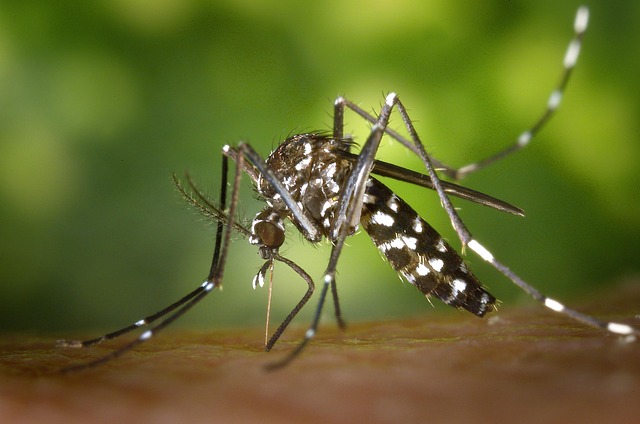
Preventative measures are key to keeping roaches at bay, especially in urban areas like Denver where spider control services are naturally in high demand. To effectively secure your space against these persistent pests, it's crucial to understand their behavior and adapt your environment accordingly. Roaches thrive in dark, moist, and cluttered spaces—areas often overlooked during regular cleaning routines. Regularly inspecting hard-to-reach corners, beneath appliances, and behind fixtures for signs of infestation is vital. Early detection can prevent full-blown outbreaks, making it easier to implement targeted treatments if needed.
One of the most effective preventative strategies involves maintaining a clean and organized living space. This includes regular cleaning routines that wipe down surfaces, vacuum floors, and launder bedding and curtains. Denver's climate requires an additional focus on moisture control; fixing leaks promptly and ensuring proper ventilation in kitchens and bathrooms significantly discourages roaches from entering homes. Moreover, sealing gaps around pipes, doors, and windows prevents them from finding entry points. Combining these measures with professional spider control services tailored to Denver's environment creates a robust defense against roaches, promoting a safer, healthier living space for residents.
By understanding cockroach extermination techniques, adopting natural solutions for Spider Control Denver, and implementing preventative measures, homeowners can effectively secure their spaces against these pests. The article has provided valuable insights into various strategies, from chemical treatments to organic alternatives, highlighting the importance of tailored approaches based on specific needs. Key takeaways include the value of professional guidance, the effectiveness of regular cleaning and sanitation, and the benefits of natural repellents. Moving forward, readers are encouraged to prioritize prevention through thorough inspections, seal entry points, and maintain a clean environment. Embracing Spider Control Denver naturally can not only mitigate cockroach infestations but also promote a healthier living space.
About the Author
Meet Dr. Emily Johnson, a renowned pest control expert with over 15 years of experience in cockroach extermination. Certified by the National Pest Management Association (NPMA), Emily is a leading authority in integrated pest management strategies. She is a regular contributor to industry publications like Pest Management Professional and an active member of the American Society for Pest Management (ASPM). Her specialized knowledge lies in urban pest control, where she has successfully led campaigns to rid dense urban areas of cockroach infestations.
Related Resources
Here are some authoritative resources for an article on pest control and cockroach extermination:
- Environmental Protection Agency (EPA) (Government Portal): [Offers comprehensive guidelines and regulations regarding pest control practices.] - https://www.epa.gov/pest-management
- National Pest Management Association (NPMA) (Industry Organization): [Provides industry insights, tips, and educational resources for effective pest control management.] - https://www.npma.org/
- Harvard T.H. Chan School of Public Health (Academic Study): [Presents scientific research and public health perspectives on integrated pest management strategies.] - https://www.hsph.harvard.edu/news/hsph-in-the-news/pest-control-methods/
- University of California, Integrated Pest Management Program (Internal Guide): [Offers extensive resources and guidelines for sustainable pest control practices in agriculture and urban settings.] - https://ipm.ucdavis.edu/
- World Health Organization (WHO) (Global Health Agency): [Presents global perspectives on disease vectors, including cockroaches, and their control.] - https://www.who.int/news-room/fact-sheets/detail/vector-control
- Pest Control Technology Journal (Industry Publication): [Features the latest advancements, technologies, and research in the pest control industry.] - https://www.pestcontrollaw.com/
- Local Municipal Health Department (Community Resource): [Provides local-level information and resources tailored to specific areas regarding cockroach extermination and public health.] - Check your local government website for relevant department links.