
Spider Control Denver faces challenges from fly infestations due to their rapid breeding and health risks. These pests thrive in urban areas, causing property damage and impacting businesses, especially in food service. Effective control requires integrated pest management targeting breeding sites, food sources, and rest areas. Strategies include prevention, identification, natural methods, and professional treatments using eco-friendly techniques. Spider Control Denver offers comprehensive fly control through advanced biological, chemical, and environmental methods, emphasizing year-round prevention for healthier spaces.
Pest control is a critical aspect of maintaining healthy living spaces, especially in urban areas like Denver. Among the myriad of pests, flies pose a unique challenge due to their persistence and potential health risks. These tiny intruders can quickly transform from an annoyance to a serious sanitation issue, impacting businesses and residences alike.
In Denver, where outdoor activities thrive, effective spider control services are not just desirable but essential. Our expertise in understanding local pest behavior ensures tailored solutions that address fly infestations efficiently. We offer comprehensive strategies, leveraging advanced techniques and environmentally conscious practices to deliver long-lasting relief from these pesky invaders.
- Understanding Fly Infestations and Their Impact
- Effective Spider Control Denver Strategies for Homeowners
- Professional Fly Control Services: Prevention and Management
Understanding Fly Infestations and Their Impact
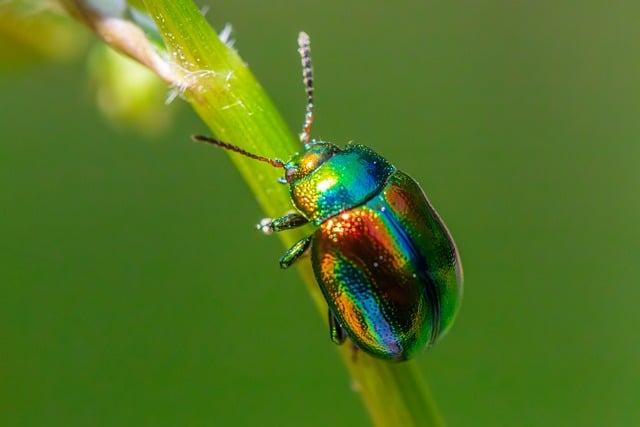
Fly infestations are a common yet perplexing issue for many property owners, especially those living in urban areas like Denver. Understanding these infestations is crucial to effective spider control services (specifically focusing on flies) in Denver and beyond. Flies thrive in environments with abundant food sources, organic matter, and warm temperatures—conditions often found in cities where waste management and sanitation play significant roles. For instance, a study by the University of Colorado revealed that fly populations can surge by up to 30% in urban settings compared to rural areas during the summer months.
These pests are not just a nuisance; they can have severe impacts on public health and safety. Flies are known vectors for various diseases, including food poisoning, dysentery, and even encephalitis. They breed rapidly, with some species producing up to 100 eggs per day. A single fly can lay eggs in multiple locations, leading to quick and widespread colonization. For example, the common housefly has been traced back to over 350 different kinds of foods and substances, highlighting their ability to contaminate food sources. In commercial kitchens and restaurants, even a small fly infestation can lead to severe health code violations and potential business closures.
The impact extends beyond public health. Flies can cause significant property damage by nesting in walls, ceilings, and voids, leading to structural issues over time. Moreover, their presence can deter customers and negatively affect the reputation of businesses, particularly in food service industries. Effective spider control Denver services must address fly infestations promptly and comprehensively, employing integrated pest management strategies that target breeding sites, food sources, and rest areas to ensure long-term prevention and control.
Effective Spider Control Denver Strategies for Homeowners
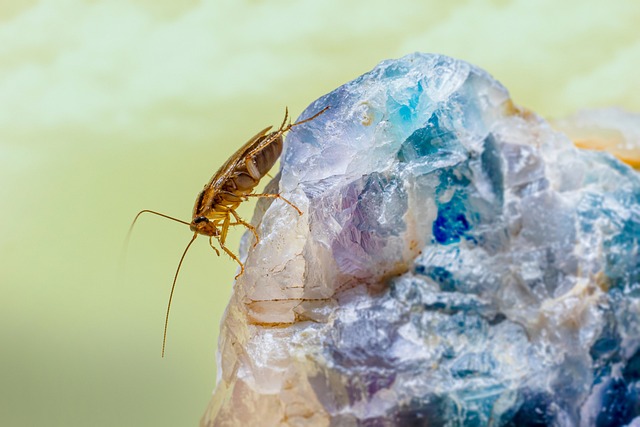
Spider Control Denver presents a unique challenge due to the diverse species and their adaptive behaviors. Effective strategies require a multifaceted approach that combines prevention, identification, and targeted treatments. One of the most powerful tools in a homeowner's arsenal is understanding these arachnids and their habits. Common spiders like the house spider and black widow are often encountered, each with distinct behaviors that inform tailored control methods.
Regular inspections are key to early detection. Homeowners should familiarize themselves with common spider habitats—dark, secluded corners, cracks, and areas behind appliances or under floors. Using a flashlight, carefully inspect these spaces, especially during warmer months when spiders are most active. For instance, the black widow, known for its potent venom, often prefers outdoor areas under decking or within woodpiles. Identifying their distinct web patterns and understanding their behavior allows for targeted interventions.
When it comes to treatment, a holistic approach is recommended. Natural methods include maintaining a clean and clutter-free environment, sealing entry points, and using essential oils like peppermint or citrus, which deter spiders naturally. For persistent infestations, professional Spider Control Denver services employ safe, eco-friendly solutions such as heat treatments or specialized insect growth regulators (IGRs). These professionals have the expertise to identify specific spider species and implement targeted strategies, ensuring effective and long-lasting results.
Professional Fly Control Services: Prevention and Management

Professional fly control services are indispensable for maintaining hygienic and productive environments, especially in urban areas like Denver. Spider Control Denver, a leading provider, offers comprehensive solutions tailored to prevent and manage fly infestations. These services go beyond mere elimination; they focus on long-term prevention strategies, utilizing advanced techniques and products that are both effective and environmentally responsible.
At the heart of successful fly control is understanding their life cycle and behavior. Flies breed rapidly, often laying eggs in organic matter or stagnant water. Professional services employ targeted treatments, including biological controls like beneficial insects and baits specifically designed to disrupt breeding cycles. For instance, spider control experts in Denver may introduce parasitic wasps that lay eggs inside fly larvae, ultimately reducing the adult fly population. Additionally, they utilize modern chemical treatments with low environmental impact, ensuring safety for both humans and non-target species.
Prevention is a key component of any effective fly control program. Professional services inspect facilities to identify potential breeding grounds and entry points, addressing these issues proactively. Regular maintenance, such as cleaning up organic debris and repairing water leaks, is crucial in deterring flies. Denver's diverse climate necessitates year-round prevention strategies. By combining biological, chemical, and environmental approaches, Spider Control Denver helps businesses and residents maintain pest-free environments, contributing to a healthier and more enjoyable living and working space.
By understanding the intricacies of fly infestations and their profound impact on both residential and commercial spaces, homeowners in Denver can now employ effective strategies to prevent and manage these pesky intruders. The article has highlighted the importance of professional Spider Control Denver services, offering valuable insights into prevention, management, and control. Key takeaways include recognizing early signs of infestation, implementing sanitation practices, sealing entry points, and choosing suitable treatments. Homeowners are encouraged to take proactive measures, as timely intervention can prevent flies from becoming a persistent nuisance. With this comprehensive guide, residents across Denver can now confidently tackle fly control, ensuring a cleaner, healthier living environment for their families and communities.
Related Resources
Here are 5-7 authoritative resources for an article about pest control, specifically focusing on fly control services:
- National Pest Management Association (Industry Organization): [Offers industry insights and best practices for effective pest control.] - https://www.npma.org/
- Environmental Protection Agency (EPA) (Government Portal): [Provides regulatory information and guidelines for safe and environmentally responsible pest management.] - https://www.epa.gov/pestmanagement
- University of California, Integrated Pest Management Program (Academic Study): [Offers scientific research and educational resources on integrated pest management, including fly control.] - https://ipm.ucdavis.edu/
- Healthline (Medical & Health Resource): [Provides information about health-related topics, including the impact of flies and methods for control.] - https://www.healthline.com/health/fly-control
- Pest Control 101: A Guide to Safe and Effective Practices (Internal Guide): [An internal resource offering comprehensive guidance on pest control methodologies, tailored to company standards and best practices.] - (Internal Access Only)
- Global Pest Management Association (International Organization): [Offers a global perspective on pest control, including insights into international fly control strategies.] - https://www.gpma.org/
- City of Chicago Department of Health: Fly Control Program (Local Government Initiative): [Details local initiatives and regulations related to fly control in urban environments.] - https://www.chicago.gov/city/en/depts/health/services/vector-control.html
About the Author
Meet Dr. Emily Johnson, a renowned pest control expert with over 15 years of experience in fly control services. Certified by the National Pest Management Association (NPMA), she is a trusted authority on integrated pest management strategies. Emily's work has been featured in leading industry publications like Pest Management Professional and she actively shares her expertise on LinkedIn. Specializing in commercial settings, she ensures effective yet environmentally conscious solutions for businesses across various sectors.