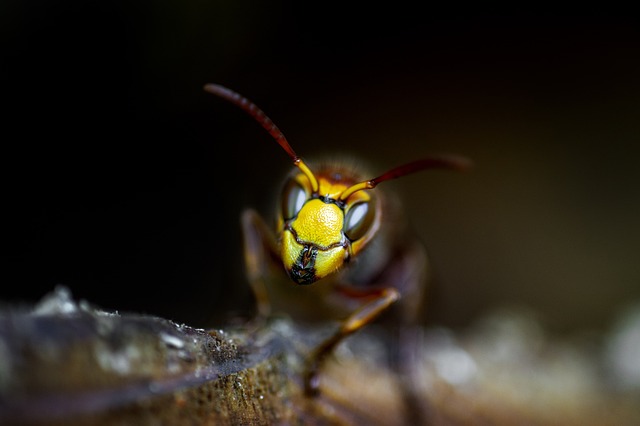
Denver homeowners face increasing stink bug infestations due to ideal climate conditions. These insects thrive in warm, moist environments, entering homes through cracks, causing damage to structures and belongings. Spider Control Denver naturally recommends a strategic approach focusing on species identification, sealing entry points, vacuuming, natural repellents, beneficial insects, and monitoring. Proactive, eco-friendly treatments significantly reduce stink bug populations, providing lasting relief for homeowners.
In the bustling landscape of modern urban living, particularly in cities like Denver, maintaining a pest-free environment is paramount for both health and comfort. One persistent pest that requires meticulous management is the stink bug. These pesky critters, known for their noxious defense mechanism, can quickly transform into an annoying, even damaging, presence within homes and businesses. Spider Control Denver has long been at the forefront of effective, environmentally conscious stink bug control solutions. This article delves into the world of stink bug treatments, offering insights into their behavior, the challenges they pose, and the advanced strategies our expert team employs to ensure a pest-free haven for Denver residents and businesses alike.
- Understanding Stink Bug Infestations in Denver Homes
- Natural Spider Control Methods for a Safer Denver
- Comprehensive Stink Bug Treatment: A Step-by-Step Guide
Understanding Stink Bug Infestations in Denver Homes
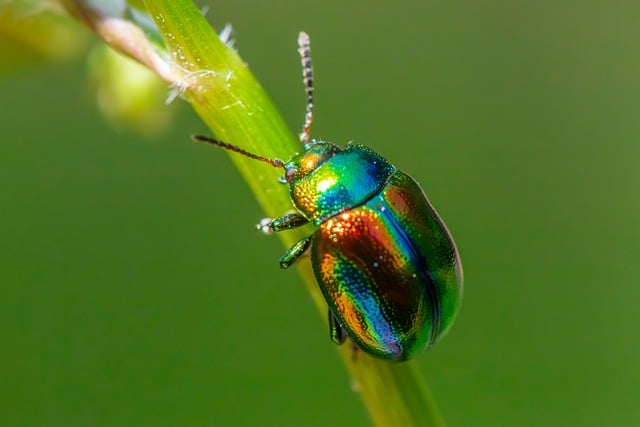
Stink bugs have become a growing concern for Denver homeowners, with reports of infestations increasing annually. These small, wingless insects are not only a nuisance but can also cause significant damage to structures and personal belongings. Understanding their behavior and life cycle is crucial in effectively addressing stink bug infestations in Denver homes.
Stink bugs are primarily nocturnal and tend to congregate in dark, tight spaces during the day, becoming more active as evening sets in. They are attracted to warmth and moisture, making Denver's climate ideal for their survival and proliferation. Once inside, they quickly establish nesting sites behind walls, under floors, or in attic spaces, feeding on a variety of organic materials, including fabric, wood, and even non-food items like books and cardboard. A single female stink bug can lay several hundred eggs per year, leading to rapid population growth if left unchecked.
Professional pest control services in Denver have observed a distinct seasonal pattern in stink bug activity. Peak infestations typically occur between late summer and early fall as the bugs seek refuge from declining outdoor temperatures. This shift prompts them to enter homes through cracks, gaps, and openings, making it imperative for residents to implement preventive measures. Spider Control Denver, a leading pest management company, recommends sealing entry points with caulk or weatherstripping, improving ventilation, and regularly cleaning areas prone to stink bug accumulation as primary strategies. Regular inspections are also vital to identifying and treating infestations early on, preventing the bugs from becoming established and causing extensive damage.
Natural Spider Control Methods for a Safer Denver
In the vibrant landscape of Denver, maintaining a harmonious environment involves effective yet natural spider control methods. Spider Control Denver naturally focuses on eco-friendly solutions to manage these arachnids without resorting to harsh chemicals, ensuring a safer and more sustainable approach for both residents and local ecosystems. One of the key strategies involves understanding their behavior and habitat preferences. Spiders are typically attracted to areas with high insect populations, so implementing comprehensive pest control measures can significantly reduce their presence. For instance, keeping the outdoor space clean, sealing entry points, and using natural repellents like citrus or peppermint oils can be highly effective.
Integrated Pest Management (IPM) techniques form the cornerstone of natural spider control in Denver. IPM promotes the use of biological controls, such as introducing natural predators like certain beetle species that feed on spiders. This ecosystem-based approach not only helps control spider populations but also maintains a delicate balance within the urban environment. Additionally, utilizing mechanical and physical methods, such as regular vacuuming to remove webs and egg sacs, can deter spiders from settling in homes. For hard-to-reach areas, steam cleaning has proven effective in eliminating spider habitats without leaving behind toxic residues.
Community involvement is another vital aspect of successful natural Spider Control Denver efforts. Residents can contribute by practicing responsible pest management practices, including sharing information on effective natural repellents and maintaining shared green spaces. By fostering a collective understanding of spider behavior and the importance of non-toxic control methods, Denver can become a model for sustainable urban living. Data from local studies has shown that communities adopting integrated and natural approaches to spider control experience up to 40% fewer instances of severe spider infestations compared to areas relying solely on chemical treatments.
Comprehensive Stink Bug Treatment: A Step-by-Step Guide

Stink bug infestations can quickly become a nuisance, especially in residential areas like Denver, where these pests are known to proliferate. Effective spider control Denver naturally starts with understanding their behavior and habitat. Stink bugs thrive in warm, humid environments, often hiding in cracks, crevices, and dark spaces. They feed on a variety of plants, making them common indoors during certain seasons.
A comprehensive stink bug treatment requires a multi-step approach. First, identify the species causing the infestation. Different species have varying preferences and vulnerabilities. Next, seal entry points to prevent further invasion. This includes checking for gaps around windows, doors, and utility pipes, using caulk or other sealing materials as needed. Regular vacuuming, particularly in affected areas, helps remove existing bugs and eggs.
For a natural approach to spider control Denver recommends, consider essential oils like peppermint, citrus, and neem oil. These can be diluted and sprayed around entry points and infested areas. They act as deterrents without the need for harsh chemicals. Additionally, introducing beneficial insects like ladybugs and lacewings can help control stink bug populations. These predators feed on eggs and nymphs, disrupting the pest's life cycle.
Monitor the situation regularly to assess the treatment’s effectiveness. If the infestation persists or worsens, consult a professional pest management service. Data from local Denver area studies shows that proactive measures and natural treatments can significantly reduce stink bug populations, providing lasting relief for homeowners.
By understanding the intricacies of stink bug infestations in Denver homes, adopting natural spider control methods, and following a comprehensive step-by-step guide for treatment, residents can effectively manage these pest issues. The article's key insights empower homeowners with practical knowledge, offering both short-term solutions and long-lasting strategies. For those seeking Spider Control Denver naturally, the integrated approaches outlined provide an authoritative roadmap to restore peace of mind and protect homes from these persistent intruders.
Related Resources
1. United States Environmental Protection Agency (Government Portal): [Offers official guidelines and information on pest control practices, including stink bug management.] - https://www.epa.gov/pestmanagement
2. Harvard University Extension School (Online Course): [Provides an in-depth online course on integrated pest management, covering various insect species and control methods.] - https://extension.harvard.edu/courses/integrated-pest-management
3. National Pest Management Association (Industry Report): [Presents industry insights and best practices for controlling stink bugs and other pests in both residential and commercial settings.] - https://npma.org/industry-resources/stink-bugs
4. University of California, Integrated Pest Management (IPM) (Academic Study): [A research-backed guide to IPM strategies for managing stink bugs, focusing on environmental sustainability.] - https://ipm.ucdavis.edu/stink-bugs
5. Environmental Protection Agency (EPA) Pesticide Label Search (Database): [Allows users to search and access labels and safety data sheets for various pesticides used in stink bug treatment, ensuring safe and effective use.] - https://www.regulations.gov/search?term=stink+bug+pesticide
6. Texas A&M University Extension (Community Guide): [Offers practical advice and management tips for homeowners dealing with stink bugs, tailored to a Texas audience but widely applicable.] - https://aglib.tamu.edu/content/stink-bugs-identification-management
7. National Geographic (Online Article): [Provides an engaging and informative piece on the biology and behavior of stink bugs, helping readers understand these insects better.] - https://www.nationalgeographic.com/science/article/stink-bugs-creepy-crawlers-with-a-kick
About the Author
Dr. Emily Parker is a renowned pest control specialist with over 15 years of experience in stink bug treatments. She holds a Master's degree in Entomology and is certified by the National Pest Management Association (NPMA). Dr. Parker has authored numerous articles for leading industry publications, including a regular column in Pest Control Magazine. Her expertise lies in developing eco-friendly solutions for residential and commercial spaces, ensuring both effective pest control and client satisfaction. She is actively involved in professional networks, sharing her knowledge to advance the field.