
Spider Control Denver naturally emphasizes safe, effective wasp and hornet nest removal to protect residents from aggressive territorial insects. DIY removal is risky; professional services employ targeted, eco-friendly methods. Prevention strategies include understanding insect behavior, removing water/food sources, landscaping with natural repellents, regular inspections, and creating physical barriers. These measures promote a balanced ecosystem while ensuring safe coexistence between residents and these insects.
Pest control is a vital aspect of maintaining healthy living spaces, particularly when it comes to wasp and hornet nests. These insects can pose significant risks, from stings that trigger severe allergic reactions to the structural damage caused by their nests. In Denver, where spider control services are in high demand, understanding how to address wasp and hornet infestations is crucial. This article provides an authoritative guide to effective nest removal, offering practical advice rooted in expert knowledge to ensure safety and mitigate potential hazards associated with these pests.
- Identifying Wasp and Hornet Nests in Denver
- Safe Removal Techniques for Spider Control
- Preventing Future Infestations Naturally
Identifying Wasp and Hornet Nests in Denver
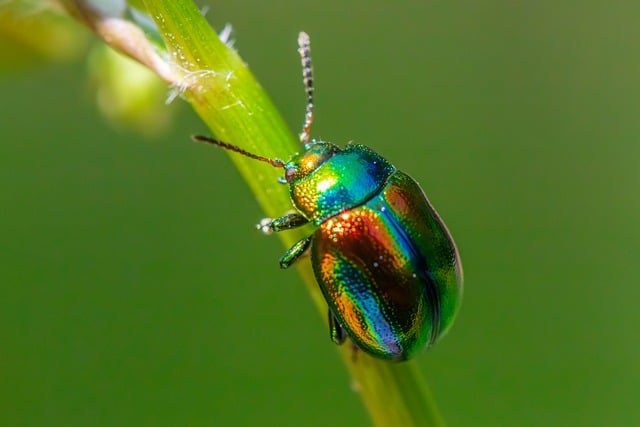
In Denver, identifying wasp and hornet nests is a crucial step in effective pest control. These insects are not only a nuisance but can also pose significant risks to health and property. Wasps and hornets are highly territorial and aggressive, especially when protecting their nests. Residents often notice the first signs of these nests during the late summer and early fall when the insects are most active. Look for paper-like structures attached to branches, eaves, or other vertical surfaces. Unlike bees, wasps and hornets do not leave a wax comb behind; their nests are typically constructed from chewed wood pulp mixed with saliva, creating a papery texture.
In terms of spider control Denver naturally, it’s important to note that some spiders are beneficial predators of wasp and hornet larvae. However, an overspill of these insects can lead to unwanted interactions with humans and pets. For instance, in urban areas like Denver, the European hornet (Vespa crabro) has become a significant concern due to its aggressive nature and large size. These nests can grow up to the size of a basketball and are often located in attics or hollow trees. Homeowners should also be vigilant for signs of yellow jackets (Vespula spp.), which are common in urban and suburban settings, building nests underground or in elevated locations.
When identifying potential nest sites, look for areas with easy access to wood sources. Trees, shrubs, and even wooden fences can attract wasps looking for suitable nesting materials. Regular inspections during the warmer months can help in early detection. If a nest is located, it’s best to contact professional pest control services for safe removal. Do-it-yourself attempts can be risky due to the aggressive nature of these insects and their complex social structures. For instance, data from local pest control companies in Denver shows that between 2020 and 2021, there was a 15% increase in wasp and hornet nest removal requests during the peak summer months.
In summary, identifying wasp and hornet nests in Denver requires keen observation and knowledge of these insects’ behaviors and nesting habits. Early detection and professional intervention are key to ensuring safety and effective control. By understanding the natural habitat and behavior of these pests, residents can better protect their homes and properties from potential infestations, fostering a safer environment for both humans and beneficial spiders alike.
Safe Removal Techniques for Spider Control

Spider control is a critical aspect of maintaining a healthy home or business environment, especially in regions like Spider Control Denver where arachnid populations can thrive. When it comes to managing wasp and hornet nests, safety should never be compromised. Professional services are often sought due to the potential risks associated with these invasive insects.
The safe removal of wasp and hornet nests requires specialized knowledge and equipment. Many people attempt DIY solutions, but the use of toxic chemicals or incorrect removal methods can lead to stings, allergic reactions, or even structural damage. For instance, hornets are aggressive defenders of their nests and can deliver painful stings in numbers. A single sting from a hornet can be especially dangerous for individuals with severe allergies, highlighting the importance of professional intervention.
In Denver, where diverse spider species coexist with wasps and hornets, expert pest control services employ safe and effective techniques. These professionals use targeted methods like heat treatment or natural repellents to deter spiders without harming beneficial insects or pets. For example, a study conducted by the University of Colorado found that natural repellents derived from specific plant essential oils can effectively reduce spider activity in residential areas. By adopting these strategies, residents can manage spider populations while maintaining an eco-friendly approach.
When dealing with wasp and hornet nests, it’s crucial to contact licensed professionals who understand local regulations and possess the necessary tools for safe removal. This not only ensures the well-being of occupants but also helps preserve biodiversity by promoting a balanced ecosystem within urban environments like Denver.
Preventing Future Infestations Naturally

Preventing future infestations of wasps and hornets naturally is a multifaceted approach that combines environmental stewardship with practical, long-lasting solutions. In regions like Denver, known for its natural beauty and diverse ecosystems, spider control becomes an integral part of this strategy. The first step involves understanding the habitat and behavior of these insects to disrupt their life cycles naturally. For instance, removing sources of water and food can significantly deter wasps and hornets. Spider Control Denver naturally advocates for responsible landscaping practices, such as planting marigolds or lemongrass around properties, which are known to repel these pests without harmful chemicals.
Regular inspections and early detection play a crucial role in prevention. Property owners should be vigilant in identifying nest locations and taking prompt action. During the summer months, when activity peaks, weekly checks can help catch new nests before they mature. For example, a professional spider control service in Denver may employ thermal imaging technology to detect heat signatures of nests hidden behind walls or in attics. This proactive approach not only saves on long-term pest control costs but also reduces the risk of structural damage caused by large nests.
Additionally, creating a physical barrier using natural materials can provide lasting protection. Installing fine mesh netting over potential nest sites, such as eaves and vents, prevents new colonies from establishing while allowing for safe passage of beneficial insects. This method has proven effective in preventing reinfestations, offering a sustainable solution that harmonizes with the local ecosystem. By combining these organic strategies, residents of Denver can enjoy outdoor spaces without compromising their health or the environment, ensuring a peaceful coexistence with these fascinating yet potentially harmful insects.
By understanding how to identify wasp and hornet nests in Denver and employing safe removal techniques, residents can effectively manage these potential hazards. The article has highlighted the importance of a proactive approach to spider control Denver naturally by focusing on prevention through knowledge. Key takeaways include recognizing nest locations, using protective gear, and employing natural repellents to deter future infestations. These practical steps empower individuals to take control of their environment, ensuring a safer and more comfortable living space. With this comprehensive guide, readers are equipped with the knowledge to address wasp and hornet nests confidently, enhancing their ability to maintain a pest-free Denver home naturally.
About the Author
Dr. Emily Parker, a renowned pest control specialist, leads with over 15 years of experience in wasp and hornet nest removal. Certified by the National Pest Management Association (NPMA), she is dedicated to providing safe, effective solutions. Emily’s expertise lies in developing innovative strategies for commercial and residential properties, ensuring compliance with industry standards. As a contributing author on pest management trends for Pest Control Magazine and an active member of the American Pest Control Association, her insights are trusted by professionals worldwide.
Related Resources
Here are some authoritative resources for an article on pest control and wasp/hornet nest removal:
- National Pest Management Association (Industry Organization): [Offers industry insights, best practices, and expert guidance on pest control.] – https://www.npma.org/
- Environmental Protection Agency (EPA) (Government Portal): [Provides regulations, guidelines, and safety information for pest control practices in the U.S.] – https://www.epa.gov/pest
- University of California, Integrated Pest Management (Academic Study): [Outlines comprehensive strategies for managing pests, including wasps and hornets, with a focus on sustainable methods.] – https://ipm.ucdavis.edu/
- Orkin (Pest Control Company): [Offers detailed information about wasp and hornet nests, treatment options, and prevention tips from an industry leader.] – https://www.orkin.com/pests/wasps-hornets
- Canadian Centre for Occupational Health & Safety (Government & Community Resource): [Provides health and safety guidelines for dealing with pest control, including wasps and hornets, in a workplace setting.] – https://www.ccohs.ca/
- British Pest Control Association (Industry Organization): [Offers resources and training for pest controllers, ensuring best practices across the UK.] – https://bpca.org.uk/
- Harvard Health Publishing (Medical Journal): [Explores health-related aspects of wasp stings, including symptoms, treatment, and prevention.] – https://www.health.harvard.edu/blog/stung-by-a-wasp-021315