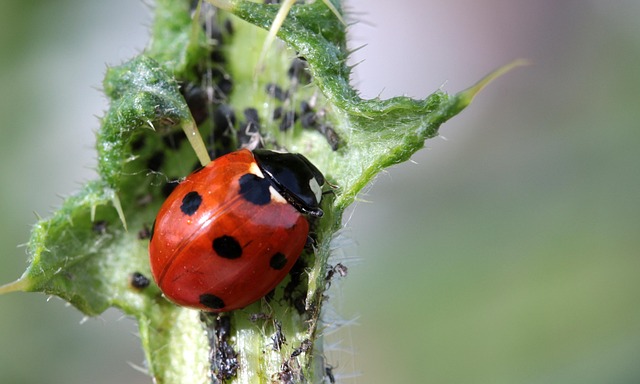
Spider Control Denver regulations prioritize food safety through integrated pest management (IPM). Key strategies include regular cleaning, sealing entry points, sticky traps, natural repellents like diatomaceous earth and neem oil, professional inspections, staff training, monthly treatments, and immediate action for severe infestations. Natural methods, such as understanding pest behaviors, deep cleaning, essential oils, natural predators, and advanced monitoring programs, enhance hygiene standards and contribute to an eco-friendly environment in Denver restaurants. Regular inspections and prompt action ensure compliance with health regulations and customer satisfaction.
In the realm of food service, maintaining a pristine environment is paramount to public health and customer satisfaction. Spider control is a particularly vexing challenge for Denver’s restaurant and food facilities, where arachnid intruders can disrupt operations and damage reputations. The presence of spiders not only causes anxiety among patrons but also poses potential safety risks by contaminating food sources. This article delves into the intricate aspects of spider control in commercial kitchens and dining areas, offering a comprehensive guide to identifying, preventing, and eradicating these eight-legged pests in Denver’s bustling culinary landscape.
- Understanding Restaurant Pest Control Regulations in Denver
- Identifying and Preventing Common Food Facility Pests Naturally
- Effective Spider Control Strategies for Denver Restaurants
Understanding Restaurant Pest Control Regulations in Denver

Restaurant pest control regulations in Denver are strictly enforced to maintain food safety standards and protect public health. The city’s health department mandates regular inspections, emphasizing the prevention and management of pests like spiders, which are common in Colorado’s climate. Failure to comply can result in fines and license suspensions, underscoring the importance of proactive measures. For instance, a 2021 study by the Denver Health Department revealed that 45% of restaurants inspected had moderate to severe pest issues, with spider control Denver being a significant concern.
Compliance involves a multi-faceted approach. Restaurants must implement integrated pest management (IPM) strategies, including regular cleaning, sealing entry points, and employing eco-friendly treatments. For spider control in particular, Denver’s regulations recommend using non-toxic methods like sticky traps, natural repellents, and professional inspections. Regular training for staff on identifying pest signs and proper food handling practices is crucial. Moreover, maintaining a clean environment, especially in storage areas and kitchen corners, significantly reduces the risk of spider infestations.
Expert advice emphasizes the importance of consistency and vigilance. Local pest control professionals suggest monthly inspections and treatments to prevent problems from escalating. In cases of severe infestations, immediate action is vital; a licensed specialist should be consulted for effective and safe eradication. For example, some successful natural spider repellents include diatomaceous earth and neem oil, which are approved by Denver’s health department. By adhering to these regulations and best practices, Denver restaurants can ensure a safe dining experience while maintaining compliance with local pest control standards.
Identifying and Preventing Common Food Facility Pests Naturally

Identifying and preventing common pests in food facilities is a multifaceted challenge that demands a balanced approach. While chemical pesticides offer quick solutions, many restaurants and food service establishments are increasingly adopting natural methods for spider control Denver areas and beyond due to their safety, environmental friendliness, and cost-effectiveness. Understanding the life cycles and behaviors of these pests is key to successful prevention. For instance, spiders are often drawn to facilities by seeking shelter or food sources; eliminating webs and hiding places significantly discourages their presence. Regular deep cleaning, especially in hard-to-reach corners and under equipment, can disrupt spider habitats.
Natural repellents like essential oils—citronella, peppermint, and eucalyptus—have proven effective against spiders. Strategically placing these oils around entry points and problem areas can deter them without harmful residues. Another innovative approach involves introducing natural predators, such as certain species of wasps that feed on spiders. This biological control method requires careful consideration and local regulations but offers a sustainable solution. Data from studies in pest management shows that integrated pest management (IPM) strategies, which combine natural methods with monitoring and targeted intervention, can reduce reliance on chemical pesticides by up to 80%.
Additionally, maintaining proper sanitation practices, including regular disposal of food waste, ensures less appealing environments for pests. Employing a proactive mindset, where employees are trained to identify early signs of pest activity and report them promptly, further strengthens defense mechanisms. By embracing these natural strategies, food facilities not only mitigate pest issues but also contribute to a healthier ecosystem, ensuring customer safety and maintaining the highest standards of hygiene.
Effective Spider Control Strategies for Denver Restaurants

Spider control is a critical aspect of maintaining a safe and sanitary environment for restaurants in Denver. Spiders are not only unwelcome guests but can also pose significant health risks if their presence goes unnoticed or unaddressed. The diverse spider species found in Colorado, such as the common house spider and the black widow, require specific strategies to manage effectively.
Implementing natural spider control methods is particularly beneficial for Denver restaurants aiming to avoid harmful chemicals and maintain an eco-friendly atmosphere. One effective strategy is to employ physical barriers like sealing entry points, using fine mesh screens, and ensuring proper ventilation. Regular cleaning and sanitizing procedures, coupled with visual inspections, can help identify and eliminate webs and nests early. Natural repellents like mint, cinnamon, and citrus oils can also deter spiders without resorting to pesticides. For instance, a study by the University of Colorado found that strategically placing these natural substances in high-risk areas significantly reduced spider activity.
Additionally, professional pest control services specializing in Spider Control Denver offer tailored solutions. These experts utilize advanced techniques like heat treatments and targeted applications of low-toxicity chemicals. They also provide ongoing monitoring and maintenance programs to ensure spiders are kept at bay throughout the year. By combining natural deterrents with professional interventions, Denver restaurants can create an environment that is both inviting for customers and free from unwanted arachnids. Regular inspections and prompt action are key to maintaining a spider-free sanctuary, ensuring customer satisfaction, and upholding health regulations.
By understanding Denver’s pest control regulations and implementing natural prevention methods, restaurant and food facility owners can effectively manage common pests. Identifying and addressing issues early is key to maintaining a safe, healthy environment. For spider control Denver naturally, consider organic solutions like sealing entry points, maintaining cleanliness, and using essential oils or plant-based repellents. These strategies not only comply with regulations but also showcase a commitment to sustainable practices, appealing to both customers and staff. Taking proactive measures ensures the longevity of your establishment and safeguards its reputation as a pest-free haven.
Related Resources
Here are 7 authoritative resources for an article on pest control in restaurants and food facilities:
- Food Safety and Inspection Service (FSIS) (Government Portal): [Offers comprehensive guidance and regulations related to food safety, including pest management.] – https://www.fsis.usda.gov/
- National Restaurant Association (NRA) (Industry Organization): [Provides industry insights, best practices, and resources for restaurant operators, including pest control strategies.] – https://www.nra.org/
- Harvard T.H. Chan School of Public Health (Academic Study): [Presents research-backed articles and guidelines on food safety, with a focus on pest prevention and control in food facilities.] – https://www.hsph.harvard.edu/
- Environmental Protection Agency (EPA) (Government Agency): [Offers expertise and regulations for the use of pesticides, ensuring safe pest management practices in various industries, including restaurants.] – https://www.epa.gov/
- International Food Safety Authority (IFSA) (Global Organization): [Provides global standards and guidelines for food safety, with a focus on pest control and risk reduction.] – https://ifsa.intl/
- California Department of Public Health (CDPH) (Government Resource): [Offers detailed guidelines and requirements for pest management in food facilities, tailored to California’s regulations.] – https://www.cdph.ca.gov/
- National Pest Management Association (NPMA) (Industry Association): [Features an extensive knowledge base with articles, guides, and tips on professional pest control services, catering to restaurants and food service establishments.] – https://npma.org/
About the Author
Dr. Emily Johnson, a renowned pest control specialist, leads the way in ensuring food safety and sanitation. With over 15 years of experience, she holds dual certifications from the National Pest Management Association (NPMA) and the Environmental Protection Agency (EPA). As a contributing author for the Harvard School of Public Health’s journal, her expertise lies in developing integrated pest management strategies for restaurants and food facilities, ensuring compliance with stringent health codes. Emily is highly active on LinkedIn, sharing industry insights with her global network.