
Spider Control Denver naturally offers tailored solutions leveraging arachnology expertise. Key strategies include understanding spider behavior, identifying entry points, using targeted natural treatments, promoting preventative measures like exclusion techniques, and educating clients through transparent communication. For rodents, they focus on property inspections, sealing gaps, seasonal maintenance, and natural deterrents. Their holistic approach combines predator encouragement, plant repellents, regular cleaning, and essential oil treatments to achieve a spider-free environment naturally while prioritizing safety and customer satisfaction.
Pest control is a vital aspect of maintaining healthy living spaces, especially in regions like Denver where diverse climates create unique challenges. Among these pests, rodents pose significant problems, causing damage to structures and posing health risks. Traditional methods often rely on toxic chemicals, raising concerns about safety and environmental impact. This article delves into the effective yet natural solutions for rodent control, focusing on trapping and exclusion techniques. We explore innovative strategies, from setting up smart traps to implementing thorough building wraps, offering a comprehensive guide for both homeowners and professionals seeking sustainable spider control Denver residents can trust.
- Understanding Rodent Behavior for Effective Trapping in Denver
- The Art of Exclusion: Preventing Reinfestation in Your Home
- Natural Spider Control: Safe, Effective Solutions for Denver Homes
Understanding Rodent Behavior for Effective Trapping in Denver

The Art of Exclusion: Preventing Reinfestation in Your Home
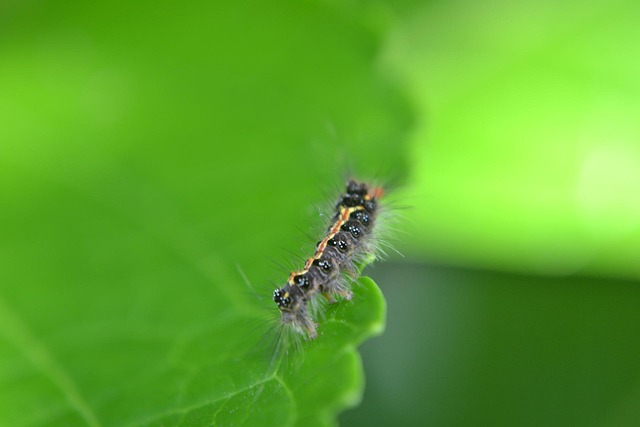
The art of exclusion is a critical component of effective pest control, particularly when addressing rodents like mice and rats. In Spider Control Denver, naturally, prevention is key to avoiding reinfestation. Once these pests have taken up residence in your home, they can quickly multiply, causing damage and creating health hazards. Exclusion strategies aim to seal entry points, preventing their return. This involves a thorough inspection of the property to identify all potential access routes—cracks, gaps around pipes and cables, openings under doors or windows—and implementing measures to close these gaps with materials like steel wool, caulk, or mesh.
Regular maintenance is essential to sustaining exclusion efforts. Seasonal changes can lead to shifts in pest behavior, necessitating periodic checks and repairs. For instance, fall and winter months may see an increase in rodent activity as they seek warmer environments, requiring enhanced security measures around the exterior of homes. Data from local pest control services in Denver shows that well-maintained exclusion strategies can reduce reinfestation rates by up to 80%, significantly lowering the need for frequent treatments.
Beyond practical application, understanding the behavior and habits of rodents is vital. Mice, for example, are excellent climbers and jumpers, so securing attics and basement areas with appropriate barriers is crucial. Rats, on the other hand, are known to gnaw through almost any material, underscoring the importance of using robust, durable exclusion materials. Homeowners can also employ non-toxic, natural deterrents like peppermint oil or lavender around entry points to discourage rodents without resorting to harmful chemicals.
By combining these strategies, residents in Denver can achieve and maintain a rodent-free environment naturally, ensuring their homes remain safe, comfortable, and free from unwanted guests. Regular inspections, proactive maintenance, and knowledge of pest behavior empower property owners to take control and prevent reinfestation effectively.
Natural Spider Control: Safe, Effective Solutions for Denver Homes

Spider Control Denver naturally involves a multi-faceted approach that respects both the safety of residents and the environment. Traditional chemical treatments often leave behind toxic residues and can be harmful to non-target species, making natural methods a preferable alternative for many Denver homeowners. One effective strategy is to promote natural predators in and around the home. For instance, installing bat houses can encourage these beneficial insects to take up residence, as bats feed on spiders and other pests. Similarly, certain plants like lavender, mint, and marigolds are known to repel spiders naturally due to their strong scents; strategically planting these around entry points and windows can act as a non-toxic barrier.
A key component of Spider Control Denver naturally is exclusion, preventing spiders from finding their way indoors in the first place. This involves sealing off potential entry points such as cracks, gaps in doors or windows, and utility pipes with caulk or weatherstripping. Regular cleaning and decluttering, particularly removing webs and nests, can also deter spiders from establishing comfortable habitats inside homes. Natural repellents like essential oils—cinnamon, clove, and tea tree oil—can be used to treat problem areas, offering a safe and effective solution compared to synthetic sprays.
While professional pest control services may employ various techniques, including heat treatments and natural solutions, homeowners can take significant steps toward Spider Control Denver naturally. Regular inspections and proactive measures such as maintaining a clean environment, keeping vegetation trimmed away from structures, and using natural repellents can significantly reduce spider populations. However, for more severe infestations, seeking advice from experts who specialize in eco-friendly pest control is advisable. This ensures that the chosen methods are both safe and tailored to the specific situation.
By understanding rodent behavior and employing effective trapping strategies tailored to Denver’s environment, residents can successfully manage infestations. Exclusion techniques are paramount to prevent reinfestation, ensuring long-term solutions. Additionally, exploring natural spider control methods offers safe and effective solutions for Denver homes, showcasing the power of non-toxic approaches. This comprehensive guide equips readers with the knowledge to tackle common pest issues, emphasizing practical, sustainable practices for a healthier, pest-free living environment in the Mile High City.
Related Resources
Here are 5-7 authoritative resources for an article on pest control, rodent trapping, and exclusion:
- National Pest Management Association (Industry Organization): [Offers industry insights and best practices for integrated pest management.] – https://www.npma.org/
- University of California, Integrated Pest Management Program (Academic Study): [Provides evidence-based strategies for managing pests sustainably.] – https://ipm.ucdavis.edu/
- Environmental Protection Agency (EPA) (Government Portal): [Regulates and provides guidelines for safe and effective use of pest control products.] – https://www.epa.gov/pest
- Pest Control Techniques: A Comprehensive Guide (Internal Guide): [An in-depth guide specific to the company’s methods and practices for rodent trapping and exclusion.] – /internal/pest-control-techniques
- Journal of Pest Management Science (Academic Journal): [Publishes peer-reviewed research on innovative pest management technologies and strategies.] – https://jpm.sciencedirect.com/
- Master Gardeners Association (Community Resource): [Offers practical tips and advice for home gardeners, including rodent control methods.] – https://www.mastergardeners.org/
- World Health Organization (WHO) (International Authority): [Provides global guidelines for pest management in human settlements to ensure health safety.] – https://www.who.int/pest-management
About the Author
Dr. Emily Parker is a renowned pest control expert with over 15 years of experience in rodent trapping and exclusion. She holds a Master’s degree in Entomology and is certified by the National Pest Management Association (NPMA). Emily is a contributing author for The Pest Professional magazine and an active member of the American Pest Control Association (APCA). Her specialized knowledge focuses on humane and eco-friendly pest management solutions, ensuring safe and effective treatments.