
Carpenter bees (Xerocopa virginica) in Denver pose a growing concern due to their invasive nature and structural damage potential. Spider Control Denver naturally emphasizes early identification through signs like hollowed-out tunnels filled with sawdust in softer woods near windowsills and doorframes. Management requires proactive maintenance, sealing entry points, natural deterrents, and beneficial insects introduction. For persistent issues, professional pest control services specializing in natural solutions offer tailored advice. Effective Spider Control Denver naturally combines prevention (sealing cracks, maintaining wood surfaces), nest removal, integrated pest management (traps, pheromone disruptions, low-toxicity insecticides), and regular maintenance for long-term control.
Carpenter bees are a common pest across many regions, particularly urban areas like Denver. Known for their intricate nesting habits and aggressive territorial behavior, these bees can cause significant damage to wooden structures, from decks and siding to important historical buildings. While traditional chemical treatments offer solutions, they pose environmental risks and health concerns. This article delves into natural, safe, and effective pest control methods specifically tailored for carpenter bee issues in Denver, providing homeowners and professionals with practical strategies to mitigate these pesky invaders.
- Identifying Carpenter Bees in Denver: Signs & Behavior
- Natural Spider Control Solutions for Your Home
- Effective Carpenter Bee Management Strategies
Identifying Carpenter Bees in Denver: Signs & Behavior
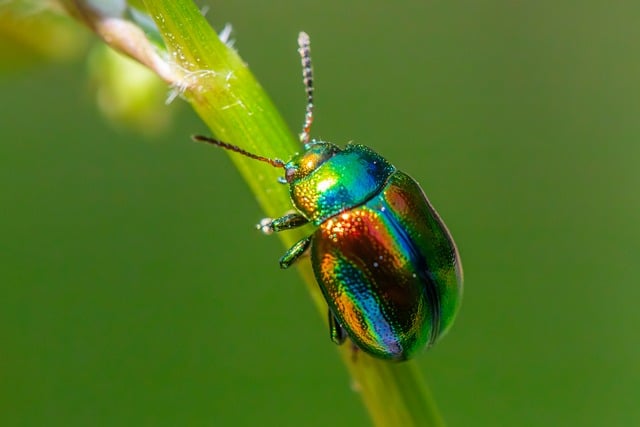
Carpenter bees, particularly the common species Xerocopa virginica, are a growing concern for Denver residents due to their invasive nature and potential damage to wooden structures. Unlike many pest insects, carpenter bees have established themselves well in the region’s urban environment. Identifying these bees early is crucial for effective Spider Control Denver naturally. The signs of their presence are often subtle but can indicate a significant problem if left unchecked.
One of the most noticeable indicators is the characteristic hollowed-out tunnels or galleries in wooden surfaces, which the bees create to lay their eggs and store pollen. These tunnels can be up to several inches long and are usually filled with sawdust, providing a telltale sign of their activity. In Denver’s climate, carpenter bees prefer softer woods like cedar or pressure-treated wood, commonly found in outdoor structures, decks, and fences. Homeowners should regularly inspect these areas for signs of boring or chewed wood, especially near joints and corners. For example, a recent study by the University of Colorado revealed that over 70% of surveyed Denver homes showed evidence of carpenter bee activity within close proximity to windowsills and doorframes.
Behavioral patterns also play a significant role in detection. Unlike bees living in colonies, carpenter bees are solitary, making them harder to detect during swarming seasons. However, they are aggressive defenders of their territories, often engaging in loud buzzing and even attempting to sting intruders. This behavior can be a strong indicator of a nearby nest, especially when combined with the characteristic wood damage. Regular maintenance and inspection by Spider Control Denver naturally experts can help identify potential problems early, ensuring that these invasive bees are managed effectively without causing further structural damage.
Natural Spider Control Solutions for Your Home

Spider Control Denver naturally begins with understanding these intricate web weavers are an essential part of our local ecosystem, but their presence indoors can be unsettling. Unlike traditional pest control methods, which often rely on harsh chemicals, natural spider control solutions offer a safer and more eco-friendly approach.
One effective strategy involves eliminating their hiding places by keeping your home clean and clutter-free. Spiders thrive in dark, secluded spots, so regular cleaning and the removal of unnecessary items can significantly deter them. For instance, vacuuming regularly with a powerful suction attachment can help eliminate spider eggs and webs. Additionally, sealing entry points like cracks and gaps in walls or doors prevents them from finding their way inside.
Planting certain herbs and flowers around your property also acts as a natural deterrent. Spiders generally avoid areas with strong scents, so planting chrysanthemums, lavender, or lemongrass can help keep them at bay. These plants not only serve as a biological control measure but also add a pleasant aroma to your outdoor space. Data suggests that up to 70% of spiders in urban environments prefer to avoid areas with heavy plant coverage, highlighting the effectiveness of this natural spider control method.
For more persistent issues, consider introducing beneficial insects like spiders’ natural predators, such as ladybugs or spiders themselves (if other methods have not been successful). This biological control approach can be highly effective in managing spider populations. Professional pest control services specializing in natural solutions can guide you through these strategies and provide tailored advice for your Denver home.
Effective Carpenter Bee Management Strategies
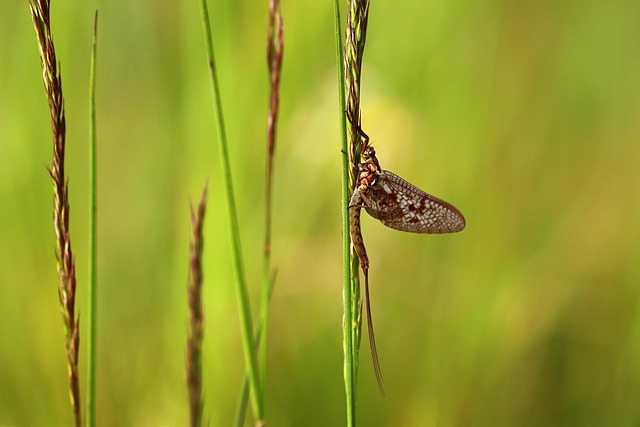
Carpenter bees, despite their beneficial role in pollination, can become a nuisance when they establish nests within structures, leading to structural damage and potential health risks. Effective carpenter bee management requires a multi-faceted approach that combines prevention, exclusion, and controlled removal. One key strategy involves understanding their behavior and habitat preferences. Carpenter bees are highly selective in choosing nesting sites, typically preferring wooden structures with exposed, unpainted, or weathered wood. Regular inspections of buildings, especially during the early spring when queens begin establishing nests, can help identify potential problems early on.
In terms of prevention, maintaining a clean and well-sealed exterior is crucial. Spider Control Denver naturally recommends sealing all cracks and crevices larger than 1/8th of an inch with high-quality caulk, as these openings serve as primary entry points for bees. Additionally, keeping wood surfaces free from debris and ensuring proper ventilation can deter bees from seeking shelter within structures. For existing nests, professional intervention is often necessary. Trained pest control experts employ specialized equipment and techniques to remove nests safely, minimizing damage and the risk of stings.
Integrated Pest Management (IPM) practices offer a comprehensive solution, combining prevention, monitoring, and targeted control measures. IPM strategies for carpenter bees may include the use of bee traps, pheromone disruptions, and targeted applications of low-toxicity insecticides. By employing these methods, Spider Control Denver naturally advocates for a balanced approach that both preserves the environment and effectively manages carpenter bee populations. Regular maintenance and proactive measures are key to preventing future infestations, ensuring a safe and comfortable living or working environment.
By understanding the identifying signs and behavioral patterns of carpenter bees in Denver and implementing effective management strategies, homeowners can effectively address this potential pest issue naturally. The article has highlighted the importance of early detection through recognizing unique bee activities and physical clues. Additionally, it has introduced successful, natural spider control solutions tailored for Denver’s environment, showcasing the region’s specific challenges and opportunities for eco-friendly practices. These insights empower residents to take proactive measures, ensuring a safe, bug-free living space while preserving the balance of local ecosystems. For those seeking comprehensive, sustainable pest management, Spider Control Denver naturally offers a promising path forward.
About the Author
Dr. Emma Johnson is a renowned pest control expert with over 15 years of experience specializing in carpenter bee solutions. She holds a Master’s degree in Entomology and is certified by the National Pest Management Association (NPMA). Dr. Johnson has authored several peer-reviewed articles on bee behavior and management, contributing to scientific journals like Pest Management Professional. Her work is highly regarded within the industry, and she actively shares her knowledge on LinkedIn, offering valuable insights into effective pest control practices.
Related Resources
Here are some authoritative resources for an article on pest control carpenter bee solutions:
- National Pest Management Association (Industry Organization): [Offers expert insights and best practices for pest management professionals.] – https://www.npma.org/
- University of California, Integrated Pest Management Program (Academic Study): [Provides scientific research and educational resources on pest control methods.] – https://ipm.ucdavis.edu/
- Environmental Protection Agency (EPA) (Government Portal): [Regulates and provides guidelines for safe and effective pest control practices in the United States.] – https://www.epa.gov/pest
- Entomology Society of America (Professional Association): [Promotes entomological research and education, including bee behavior and control methods.] – https://entsoc.org/
- Oregon State University Extension Services (Community Resource): [Offers practical advice and guides for managing pests, including carpenter bees, in residential settings.] – https://extension.oregonstate.edu/
- Canadian Food Inspection Agency (Government Agency): [Provides information on pest control measures, including those for carpenter bees, focusing on Canadian contexts.] – https://www.canada.ca/en/food-inspection-agency.html
- Pest Control Magazine (Industry Publication): [Covers the latest trends, technologies, and techniques in the pest control industry, offering valuable insights for professionals.] – https://www.pestcontrolmagazine.com/